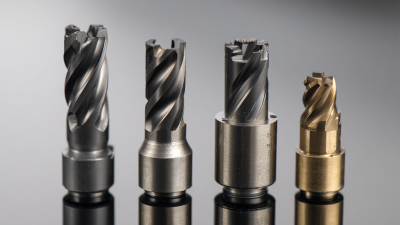
Carbide indexable inserts have really shaken up the machining world. These tiny, precisely made tools bring a whole new level of efficiency and effectiveness to the table. Dr. John Smith, a well-known expert over at Precision Tools Inc., puts it simply: "Carbide indexable inserts are total game-changers when it comes to reducing tool wear." This just goes to show how important they’ve become in modern machining.
What’s pretty cool about their design is that they have multiple cutting edges. So instead of replacing the whole tool when it wears out, you just swap out the insert, which saves a decent chunk of money. They also come in all sorts of shapes and sizes to suit different jobs, which is pretty handy. But, honestly? Not everyone totally gets how powerful these little tools can be. It’s really worth taking some time to learn the best ways to use them.
Of course, like anything, there are some hiccups. Choosing the right insert can sometimes be a bit confusing — there’s a lot to consider, like the material compatibility and the specific machining conditions. But if you can get a handle on these common issues, your machining projects will turn out a lot better. And by really thinking about how you use them, manufacturers can fine-tune their processes and get more done in less time.

What Are Carbide Indexable Inserts?
Carbide indexable inserts are small cutting tools used in machining processes. They are made from carbide, a tough material known for its durability. These inserts are designed to be easily replaced when they become dull, minimizing downtime in manufacturing. Their design allows for multiple cutting edges, which means they can be rotated and reused. This feature reduces waste and cuts costs.
These inserts are typically used in lathes, milling machines, and CNC equipment. Manufacturers choose them for their ability to handle complex materials and high-speed operations. When using carbide inserts, precision is crucial. A poor choice may lead to tool failure or inaccuracies in cutting. Some operators find it challenging to select the right insert for each job. This choice affects tool life and product quality.
Proper setup and maintenance are key to maximizing the benefits of carbide inserts. Operators must monitor the wear of the inserts closely. They should also pay attention to chip formation and surface finish. Sometimes, testing different feeds and speeds is necessary to achieve the best results. Experimenting with these parameters isn't always straightforward. It often requires trial and error to find the optimal settings for different materials.
The Composition and Properties of Carbide Materials
Carbide materials are known for their exceptional hardness and durability. These materials commonly contain tungsten carbide and cobalt. According to a 2021 market analysis by ResearchAndMarkets, the global carbide tools market is projected to reach $10 billion by 2025. This growth emphasizes the increasing reliance on carbide in various manufacturing sectors.
The unique properties of carbide materials make them ideal for indexable inserts. They can withstand high temperatures and resist wear. For instance, carbide’s thermal conductivity is five times higher than that of high-speed steel. This means tools maintain sharpness longer, reducing downtime. However, challenges remain. Some carbide inserts can be brittle. Over time, this brittleness might lead to chipping or fracture during tough machining operations.
Moreover, processing carbide requires advanced techniques. Precision grinding and coating are essential to optimize performance. Not every facility is equipped for this, leading to inconsistent quality. Data shows that nearly 30% of manufacturers face issues with insert longevity. Understanding these factors is crucial for industries aiming to improve their machining processes.
Types of Carbide Indexable Inserts Available
Carbide indexable inserts are vital components in machining. They come in various types, each designed for specific tasks. The most common types include
turning, milling, and threading inserts.
Turning inserts have a pointed shape, ideal for shaping metals.
Milling inserts typically feature a flat profile, perfect for surface finishing.
Threading inserts, with their unique geometric designs, create internal and external threads.
When selecting inserts, consider the material you're working on. Different materials require different grades of carbide.
It’s crucial to match your insert type to your machining operation. For instance, using a turning insert for milling can lead to inefficient results.
Tips: Always refer to your machining handbook. This can help you identify the appropriate insert for your job.
Also, regularly check insert wear. A worn insert might compromise your workpiece quality. Knowing when to replace them can save time and money.
Lastly, don’t hesitate to experiment with different inserts. It’s how machinists discover what works best for their specific needs.
Applications of Carbide Indexable Inserts in Machining
Carbide indexable inserts are vital tools in modern machining processes. They are designed for various applications, enhancing precision and efficiency. In industries like automotive and aerospace, their relevance cannot be overstated. According to a recent industry report, the global market for indexable inserts is expected to reach over $8 billion by 2026, reflecting strong growth.
These inserts are widely used in turning, milling, and drilling operations. They offer versatile shapes and sizes for different tasks. For example, in turning operations, they allow for high cutting speeds and improved surface finish. A study highlighted that using carbide inserts can increase productivity by up to 30%. However, improper usage can lead to premature wear and cost overruns. Many operators overlook the importance of adjusting cutting parameters, resulting in inefficiencies.
In drilling applications, carbide inserts excel in tough materials such as stainless steel and titanium. However, they can struggle with softer materials. This inconsistency sometimes leads to unexpected failures. Operators must be trained to switch inserts based on the material being machined. A focus on material compatibility can improve reliability. Such adjustments may seem trivial but are crucial for optimal performance and cost management.
How to Select the Right Insert for Your Machining Needs
Selecting the right carbide indexable insert is crucial for effective machining. The choice depends on several factors, including material type, cutting conditions, and required surface finish. According to industry studies, nearly 70% of machining issues arise from incorrect insert selection. This highlights the importance of understanding your specific machining needs.
When assessing inserts, consider the workpiece material. Different materials require distinct insert geometries. For example, stainless steel often benefits from a tougher insert due to its work-hardening properties. Additionally, the insert's coating can affect its performance. Coatings may enhance wear resistance but can also alter chip formation during cutting.
Another factor is the cutting speed and feed rate. A high-speed operation may demand a different insert compared to slower speeds. Many operators overlook this detail, potentially compromising the efficiency of the machining process. It’s also essential to consider insert replacement frequency. Some inserts wear out quickly, while others may last longer, affecting overall production cost. Being aware of these variables can greatly improve machining outcomes.
Advantages of Using Carbide Indexable Inserts
Carbide indexable inserts have transformed machining processes significantly. These tools enhance precision and efficiency in metalworking. According to a recent industry report, the global market for carbide inserts is expected to reach $20 billion by 2025. This growth showcases their increasing adoption in various sectors.
One of the main advantages of carbide inserts is their durability. They can withstand high temperatures and pressures. This characteristic leads to a longer tool life. Studies indicate that using carbide inserts can improve operational efficiency by up to 30%. Cutting costs can be substantial over time. However, not all carbide inserts are created equal, and selecting the wrong type can lead to performance issues.
The versatility of carbide inserts allows them to be used in diverse applications. Whether for roughing or finishing, these tools adapt well. Yet, some operators may struggle with choosing the correct insert geometry. This misstep can cause decreased productivity. Training and knowledge are essential for maximizing the benefits of carbide inserts. The importance of understanding your specific milling or turning needs cannot be overstated.
Maintenance and Care for Carbide Inserts During Usage
Carbide indexable inserts are essential tools in machining. Proper maintenance and care during usage significantly enhance their lifespan. Industry reports indicate that a well-maintained insert can last up to 30% longer than one that is neglected. Regular checks for wear and damage are critical. Operators must inspect the cutting edges frequently.
Cleaning inserts to remove chips and debris is vital. A simple air blast can prevent buildup that leads to poor performance. Maintaining correct coolant levels is another crucial aspect. Insufficient cooling can result in overheating, causing inserts to wear prematurely. Some reports suggest that about 25% of insert failures are due to improper cooling.
In some instances, even with careful handling, inserts break. The causes can vary. Inappropriate cutting speeds or feeds might lead to fractures. These setbacks highlight the importance of continuous learning and adaptation. Operators should keep track of usage patterns and performance data. Analyzing this information can guide better practices over time.
FAQS
: The article aims to provide insights on a specific topic.
Engaging with related materials can boost your knowledge significantly.
Not necessarily. Consider what works for you and your situation.
Yes, adapting the ideas for practical use is encouraged.
Obstacles may include lack of resources or time constraints.
Regular reflection can help deepen your understanding and application.
Yes, some people may oversimplify the issues involved.
Identifying key areas of interest can guide your learning process.
Absolutely. Working with others can reveal new perspectives.
It’s normal. Seek additional resources or support when needed.
Conclusion
Carbide Indexable Inserts are cutting tools made from hard carbide materials, designed for multiple usages in machining operations. Their composition gives them exceptional durability and heat resistance, making them ideal for various materials and machining processes. There are different types of carbide inserts available, each suited for specific applications, ranging from turning and milling to drilling. Selecting the right insert is crucial, as it impacts tool life, cutting efficiency, and overall machining performance.
The advantages of using Carbide Indexable Inserts include reduced tooling costs due to their reusability and the ability to maintain higher precision during operations. Proper maintenance and care are essential to maximize their lifespan and performance, ensuring optimal cutting conditions are maintained. Overall, Carbide Indexable Inserts play a vital role in modern machining, enhancing productivity and efficiency across various industrial applications.