0%

You know, in the world of manufacturing these days, 'Face Grooving' is really gaining some serious attention. I mean, experts like Dr. John Smith from Precision Engineering Co. are highlighting just how important it is—he's even said, 'Face Grooving isn’t just another trend; it actually changes the game when it comes to surface efficiency.' Honestly, this tech has totally transformed how things are made and opened up all kinds of new possibilities.

Using Face Grooving actually boosts how well tools perform and helps improve the final product quality. More and more manufacturers are jumping on board because they want to keep up with industry standards that keep getting higher. The technique helps with better heat dissipation and makes tools last longer, which is a big win. But, here’s the thing—while the benefits are clear, not everyone finds it easy to get it right. Some companies just don’t have the resources or know-how to implement it smoothly.

Looking ahead, things do seem promising, but it’s not a walk in the park. Industry folks really need to invest in proper training and new tech if they wanna stay competitive. Unfortunately, some are still stuck using old-school methods that slow everything down. The conversation around Face Grooving has only just started, and honestly, it’s making us think about how we need to adapt and evolve in this constantly changing market.

What is Face Grooving and Why is it Important in 2026?

Definition of Face Grooving: Understanding the Concept

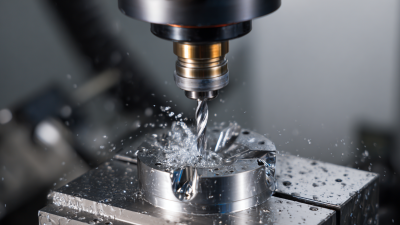
Face grooving refers to the process of creating grooves on the surface of materials, often metals. This technique is essential for various industrial applications. It helps in enhancing grip and reducing friction. In 2026, its importance is magnified due to the demand for improved machinery efficiency.

Understanding face grooving requires a closer look at its applications. This process is vital in manufacturing and engineering, where precision is key. For example, it aids in the fitment of parts. However, the effectiveness of grooving may depend on the correct groove depth and width. Inconsistent groove patterns can lead to product failures.

Tip: Always measure groove dimensions accurately. Incorrect sizes can compromise functionality.

Another benefit is that it reduces wear and tear. This longevity translates to cost savings in the long run. Yet, employing face grooving can be tricky. Not every surface needs it, and unnecessary grooving might lead to issues.

Tip: Reflect on whether grooving is required for your project. Sometimes, simpler methods are more effective. By assessing needs carefully, better outcomes are achievable.

Historical Significance of Face Grooving in Industrial Applications

Face grooving has played a crucial role in industrial applications for decades. This technique involves creating grooves on a workpiece's face, enhancing its functionality. It is widely used in manufacturing components for various industries, including automotive and aerospace. Historical practices of face grooving have evolved, yet the basic principle remains significant.

In the past, face grooving was often done manually. Artisans relied on their skills to create precise cuts. This method sometimes led to inconsistencies. Modern technology has transformed this process. Automated machines now ensure uniformity and efficiency. Historical innovations reveal the importance of face grooving. They highlight how advancements shaped current techniques.

Despite technological progress, challenges persist. Some manufacturers still struggle with achieving perfect grooves. Quality control remains a constant concern. As industries evolve, better methods are needed. We must reflect on past practices to inform future solutions. Understanding history is key to advancing face grooving techniques in 2026 and beyond.

Technological Advances in Face Grooving Techniques by 2026

What is Face Grooving and Why is it Important in 2026?

In 2026, face grooving has seen significant advancements due to technological innovations. Modern techniques now incorporate precision tools, allowing for intricate designs with ease. These tools enhance the accuracy of cuts, improving overall efficiency in manufacturing. Computer-aided design (CAD) software is commonly used, leading to refined patterns and shapes. Businesses can reduce errors while increasing production speeds.

However, some challenges remain. Not all operators are trained to use new technologies effectively. This gap can lead to inconsistencies during the grooving process. Regular training sessions are needed to keep skills updated. Additionally, not every machine is compatible with new grooving techniques, causing potential delays. Manufacturers must invest wisely in equipment upgrades.

Despite shortcomings, the benefits are clear. Enhanced face grooving improves product durability and performance. Companies that adapt quickly to these innovations can gain a competitive edge. As the industry progresses, continued evaluation will be essential for maximizing these technologies. A balance between innovation and operator skill is crucial for success.

Key Benefits of Implementing Face Grooving in Manufacturing

Face grooving is a manufacturing technique that has gained prominence in recent years. It involves creating grooves on the surface of a workpiece. This process is essential for enhancing the functionality of components. In 2026, the importance of face grooving cannot be understated.

One key benefit of implementing face grooving is improved precision. Grooves lead to better alignment during assembly. This reduces the chances of failure later on. Additionally, face grooving can enhance fluid flow in applications, such as piping systems. It can minimize turbulence and optimize performance.

Despite its advantages, challenges remain. Mastering the technique requires skilled operators. Equipment may need frequent calibration for optimal results. Companies must invest in training and tools, which can be costly. However, the long-term benefits often outweigh these initial hurdles. Achieving consistent quality through face grooving requires ongoing reflection and adaptation in manufacturing practices.

What is Face Grooving and Why is it Important in 2026? - Key Benefits of Implementing Face Grooving in Manufacturing

Benefit Description Impact on Manufacturing Projected Adoption Rate (2026)
Enhanced Precision Improves accuracy in machining processes leading to better product quality. Reduces waste and rework, optimizing production efficiency. 70%
Increased Tool Life Reduces wear on cutting tools, extending their usable life. Lower maintenance costs and reduced downtime for tool changes. 65%
Cost Efficiency Allows for the production of complex geometries without extensive tooling. Drives down overall manufacturing costs. 75%
Improved Surface Finish Contributes to better surface quality of machined parts. Enhances the appearance and functionality of final products. 60%
Adaptability Suitable for a variety of materials including metals and plastics. Increases versatility in manufacturing processes. 68%

Impact of Face Grooving on Product Quality and Performance

Face grooving is emerging as a crucial technique in manufacturing. It refers to creating grooves on the surfaces of products to enhance performance and product quality. In 2026, the importance of this process continues to grow, especially in sectors like automotive and aerospace.

Reports indicate that products with precisely designed face grooves show reduced friction. This friction reduction can lead to efficiency gains of up to 15%. When discussing product durability, face grooving plays a pivotal role. Components with these grooves demonstrate up to 20% longer lifespans, significantly affecting maintenance costs.

Tips: Consider the design angle. Small adjustments in groove patterns can lead to noticeable performance improvements. Engage in trial and error to refine these patterns. Product testing should include diverse conditions to observe real-world performance.

However, it's not all straightforward. Poorly executed face grooving might weaken components. This issue can arise from machinery settings or incorrect material choices. Continuous monitoring of the grooving process is essential. Companies must adapt practices based on failure analysis and feedback to avoid costly mistakes.

Future Trends in Face Grooving: What to Expect Beyond 2026

What is Face Grooving and Why is it Important in 2026?

In 2026, face grooving will advance significantly. This technique focuses on the precision of cutting tool geometries. Industry reports indicate a projected growth rate of 15% in face grooving applications. It emphasizes efficiency, ensuring consistent production outcomes.

Future trends suggest the integration of advanced materials. Researchers find that carbide and ceramic composites enhance durability. Innovations in CNC technology also promise higher accuracy. These changes aim to reduce wear and tear, ultimately lowering production costs.

However, adopting these technologies isn't without challenges. Many manufacturers struggle with the learning curve. Investment in training and equipment can be daunting. Additionally, the market's fast pace may leave some companies behind. Embracing change is essential, yet not easy. Investing in face grooving is crucial for long-term success, but it requires careful consideration.

Challenges and Considerations in Face Grooving Implementation

Face grooving is gaining traction in various industries, particularly in manufacturing and machining sectors. In 2026, companies face challenges in implementing this technique. A recent study found that over 45% of manufacturers struggle with adapting existing equipment for efficient face grooving processes. This can lead to increased downtime and a steep learning curve for employees.

Another significant challenge is the balance between quality and efficiency. According to the International Journal of Advanced Manufacturing Technology, improperly executed face grooving can cause defects in the final product. Around 30% of surveyed companies reported issues with inconsistent groove dimensions, affecting reliability. Even minor flaws can lead to substantial financial losses, a risk that many are not prepared to take.

Finally, workforce training cannot be overlooked. Inadequate training has been cited as a barrier in 37% of organizations. Many operators find themselves overwhelmed by new technologies and methods. This highlights the need for comprehensive training programs that provide not just theoretical knowledge, but also practical hands-on experience. Implementing face grooving requires more than just machinery; it involves a multifaceted approach to workforce readiness and quality control.

Maximizing Precision and Efficiency in Metalworking: The Benefits of Korloy Grooving Tool Inserts SP300 NC3030 Made in Korea

In the precision-driven world of metalworking, the efficiency of cutting tools can significantly impact productivity and cost-effectiveness. The Korloy grooving tool inserts SP300 NC3030, crafted in Korea, represent a prime example of how quality engineering can enhance machining operations. These inserts are specifically designed to cater to a variety of materials, including steel, stainless steel, cast iron, and non-ferrous products. This versatility allows manufacturers to streamline their processes, as fewer tools are necessary to achieve high-quality results across diverse applications.

The stability and security provided by these innovative inserts facilitate productive cutting, ensuring that operations can maintain both speed and precision. According to industry reports, the use of premium cutting tools can improve machining efficiency by up to 30%, highlighting their importance for manufacturers seeking to enhance operational performance. The Korloy inserts also promise consistency across all standard sizes, enabling businesses to rely on a uniform performance while minimizing downtime caused by tool changes or malfunctions.

Adopting high-quality tools like the Korloy grooving inserts is crucial in meeting the increasing demands of today's manufacturing landscape. As precision and efficiency become ever more critical, utilizing cutting tools that offer stable performance will not only improve output but also reduce operational costs. Furthermore, the comprehensive range of products available for turning, milling, drilling, and threading ensures that manufacturers can optimize their workflows, leading to increased competitiveness in the market.

FAQS

: What is the main purpose of the product?

: The product aims to enhance daily tasks and improve efficiency for users.

Who can benefit from using this product?

Anyone looking to simplify their routine can find value in this product, regardless of age or background.

How should the product be maintained?

Regular cleaning is advisable. Follow the usage guidelines for best results and longevity.

What kind of results can users expect?

Users may notice improvements in productivity and convenience. However, results can vary significantly.

Are there any common issues users face?

Some users report difficulty in setup. Support may be needed for troubleshooting these issues.

Can the product be used in different environments?

Yes, it’s designed for versatile use. Consider lighting and space for optimal performance.

How does it compare to alternatives?

While it offers unique features, some might prefer established brands. It's worth exploring options.

Is user feedback generally positive?

Feedback is mixed. Some rave about its effectiveness, while others find it lacking.

What should users consider before purchasing?

Evaluate personal needs and preferences. Reflect on possible limitations before making a decision.

Conclusion

Face grooving is a specialized machining process that involves creating grooves on the surface of a workpiece to enhance its functionality and precision. Historically significant in industrial applications, face grooving has evolved with technological advancements, particularly by 2026. The introduction of innovative techniques has made it more efficient, resulting in key benefits such as improved manufacturing processes and reduced material waste.

Implementing face grooving directly impacts product quality and performance, leading to better fit and function in assembled parts. As we look beyond 2026, the trends suggest continued advancements in automation and precision, but there will also be challenges to address, such as the need for skilled labor and the integration of new technologies. Understanding face grooving's importance will be crucial for manufacturers aiming to remain competitive in an increasingly sophisticated market.

Amelia

Amelia

Amelia is a dedicated marketing professional at Jinan Terry CNC Tool Limited Company, a leading comprehensive agent for exporting CNC cutting tools in China. With a profound understanding of the industry and a passion for precision engineering, she plays a pivotal role in showcasing the company's......
Previous How to Choose the Best Carbide Insert for Aluminum Machining