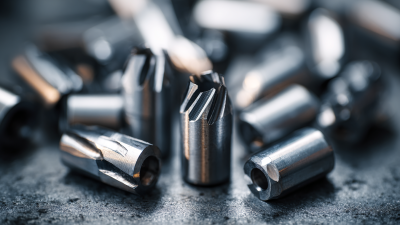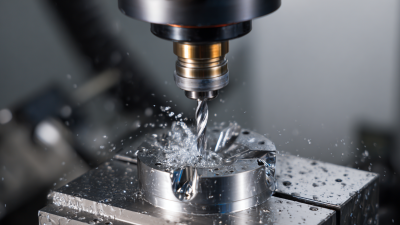
In the fast-changing world of machining tech, Tungolay Carbide Inserts are really stepping up as key players in making operations more efficient and precise. These tools are crafted to handle high temperatures and resist wear and tear, which means they last longer and perform better across a variety of machining tasks. As manufacturers look for ways to boost productivity and cut costs, having the right tools can seriously make a difference in how smoothly things run.
In this article, we’re gonna take a closer look at the top Tungolay Carbide Inserts coming in 2025. We’ll highlight what’s cool about their features and how they’re used. Whether you’re into turning, milling, or drilling, these inserts are designed to meet the ever-growing needs of modern manufacturing. Picking the right inserts can help you get better accuracy, speed up your cycle times, and cut down on material waste—all of which add up to happier, more profitable production.
So, join us as we explore the newest in Tungolay Carbide Insert technology and see how these tools could completely transform your machining operations. It’s all about pushing efficiency and effectiveness to a whole new level in manufacturing!
Tungolay carbide inserts are essential tools in the machining industry, known for their durability and efficiency in cutting applications. These specially designed inserts are made from tungsten carbide, a material renowned for its hardness and resistance to wear. By utilizing tungsten carbide, manufacturers can produce inserts that maintain sharp edges for longer periods, thereby reducing the frequency of tool changes. This not only enhances productivity but also lowers operational costs, making tungolay carbide inserts a smart investment for any machining operation.
One of the key benefits of tungolay carbide inserts is their versatility. They can be used for a variety of machining processes, including turning, milling, and drilling. Their design allows for better chip control and heat resistance, which further improves the overall machining efficiency. Additionally, these inserts are available in various shapes and sizes, catering to different machining requirements and materials. This adaptability ensures that machinists can achieve precise cuts and finishes, ultimately leading to improved product quality and performance.
In the competitive landscape of manufacturing, machining efficiency has become a critical factor that can significantly influence productivity and cost-effectiveness. According to a report by the Manufacturing Strategies Institute, improving machining efficiency can lead to a reduction in cycle times by up to 30%, which directly contributes to increased throughput and profitability. This improvement not only saves valuable time but also reduces energy consumption and minimizes tool wear, translating into lower operational costs for manufacturers.
The significance of efficient machining processes is further underscored by a study from the International Journal of Advanced Manufacturing Technology, which indicates that enhanced machining efficiency can improve overall equipment effectiveness (OEE) by 15%. Given that OEE is a key performance indicator in manufacturing, focusing on optimizing machining processes is essential for companies aiming to maintain a competitive edge. As technology advances, incorporating high-quality tooling solutions, such as advanced carbide inserts, can empower manufacturers to achieve substantial gains in efficiency, ensuring they remain agile and responsive to market demands.
Tungolay carbide inserts are at the forefront of modern machining, driving efficiency and precision in various industrial applications. A key feature of high-quality Tungolay inserts is their superior wear resistance, which significantly reduces the frequency of tool changes and minimizes downtime. According to a recent report by the International Journal of Advanced Manufacturing Technology, tools made from advanced carbide materials can increase tool life by up to 50%, allowing manufacturers to enhance output while reducing operational costs.
Another critical aspect of Tungolay carbide inserts is their resistance to chipping and fracturing during machining processes. Statistics from the Metalworking Business Index highlight that machining operations that employ high-performance carbide inserts can improve part quality by 30%, leading to fewer defects and reworks. Additionally, these inserts often feature advanced coatings that improve thermal stability and reduce friction, further optimizing machining parameters. Such advancements contribute to a more sustainable manufacturing environment by lowering material waste and energy consumption during production.
Investing in high-quality Tungolay carbide inserts not only boosts machining efficiency but also aligns with broader industry trends towards sustainable and cost-effective manufacturing practices. With continuous advancements in carbide technology, these inserts are poised to deliver exceptional performance in the challenge of modern machining demands.
When comparing Tungolay carbide inserts with other insert materials, it is essential to understand the unique advantages these inserts offer. Tungolay carbide inserts are renowned for their exceptional hardness and resistance to wear, making them ideal for high-speed machining operations. Unlike traditional high-speed steel (HSS) or ceramic inserts, Tungolay carbide can withstand significant thermal and mechanical stresses, allowing for longer tool life and improved productivity. This resilience helps reduce the frequency of tool changes, thereby optimizing machining efficiency.
In contrast, although HSS inserts can be effective for certain applications, they often fall short in terms of longevity and performance under extreme conditions. Ceramic inserts, while capable of handling high-speed cuts, may require specific conditions to minimize chipping and breakage. For manufacturers looking to enhance their machining processes, adopting Tungolay carbide inserts can result in more efficient operations and cost savings over time.
Tips: When selecting the right insert for your machining needs, consider the material properties and application requirements. Ensure that the cutting parameters align with the capabilities of Tungolay carbide inserts, and regularly monitor tool performance to maximize efficiency. Additionally, always keep an eye on the machining environment, as factors such as temperature and coolant usage can significantly impact tool longevity.
Tungolay carbide inserts have gained significant recognition across various industries for their ability to enhance machining efficiency. In manufacturing sectors such as
automotive and aerospace, these inserts are crucial for precision machining processes that require high durability and resistance to wear.
According to a recent market analysis, the global carbide inserts market is projected to reach USD 10 billion by 2025, driven by increased demand for advanced machining solutions.
With technological advancements, the use of Tungolay carbide inserts allows manufacturers to achieve superior surface finishes and tighter tolerances, which are critical in applications where
safety and performance are paramount.
The applications of Tungolay carbide inserts span diverse fields, including heavy machinery, electronics, and
medical devices. In the heavy machinery sector, where components undergo high-stress conditions, the longevity and cutting efficiency of these inserts translate to lower operational costs and reduced downtime.
A study indicates that integrating high-performance inserts can enhance tool life by up to 50%, thereby supporting increased production rates.
In electronics manufacturing, precise machining is essential for creating intricate parts, and Tungolay carbide inserts facilitate this with their exceptional cutting capabilities.
Furthermore, in medical device production, where precision is crucial, these inserts ensure that components meet stringent regulatory standards, underscoring their versatility across multiple industries.
When choosing Tungolay carbide inserts, several critical factors can significantly influence machining efficiency. One primary consideration is the material of the workpiece. According to a report by Market Research Future, the demand for high-speed steel and alloy steels in automotive and aerospace sectors is rising, making it vital to select inserts that can withstand the specific hardness levels of these materials. Inserts designed with superior toughness and wear resistance are essential for optimizing performance in machining operations involving tough materials.
Another factor influencing the selection of Tungolay carbide inserts is the cutting geometry. The shape and angle of the insert can alter the cutting dynamics, impacting the overall productivity and surface finish of the machined part. Industry analysis highlights that a balanced insert geometry can improve chip evacuation and reduce cutting forces, which is crucial for prolonging tool life. Furthermore, the appropriate coating on the carbide inserts can enhance performance by providing additional protection against thermal and chemical wear, thus contributing to better machining outcomes in environments subjected to extreme conditions.
Finally, the operational parameters—such as cutting speed, feed rate, and depth of cut—also play a significant role in insert selection. Studies published in the Journal of Manufacturing Processes indicate that adhering to optimal cutting speeds and feeds, which vary according to the insert's specifications, leads to remarkable efficiency improvements and cost reductions. By considering these factors when selecting Tungolay carbide inserts, manufacturers can significantly enhance their machining efficiency and product quality.
The future of Tungolay carbide insert technology is promising, with significant advancements expected to enhance machining efficiency. As manufacturers focus on the development of high-performance materials and innovative designs, we can anticipate a variety of new features that will improve tool life and cutting capabilities. One notable trend is the integration of nanotechnology in carbide production, leading to inserts with improved wear resistance and toughness. This allows for longer intervals between tool changes and reduced downtime in production processes.
Another exciting development is the incorporation of artificial intelligence in insert design and selection. By utilizing AI algorithms, manufacturers can tailor carbide inserts to optimize performance for specific machining tasks. This not only streamlines operations but also helps to minimize material waste. Operators can also benefit from real-time analytics that provide insights into tool wear and performance, enabling better anticipated maintenance schedules.
Tips: To maximize the benefits of upcoming Tungolay carbide insert technologies, consider investing in training for your machining team on the latest advancements. Regularly evaluate your tooling strategies and be open to adopting new materials as they become available. Keeping abreast of the latest trends will ensure you maintain a competitive edge in the machining industry.
| Insert Type | Material | Coating | Cutting Edge Configuration | Application | Future Trends |
|---|---|---|---|---|---|
| General Purpose | Carbide | TiN | Flat | Turning | Increased wear resistance |
| High Feed | Carbide | TiAlN | Curved | Milling | Higher chip removal rates |
| Grooving | Coated Carbide | WCCo | V-Shaped | Grooving | Enhanced precision cutting |
| Parting | Ceramic-Tipped | AlTiN | Stepped | Parting Off | Reduction in friction |
| Threading | Cermet | TiCN | Single Point | Thread Cutting | Improved surface finish |
: Tungolay carbide inserts are used to enhance machining efficiency in industries such as automotive, aerospace, heavy machinery, electronics, and medical devices, where precision and durability are essential.
In heavy machinery, Tungolay carbide inserts improve tool life by up to 50%, which leads to lower operational costs and reduced downtime, ultimately supporting increased production rates.
Upcoming advancements include the use of high-performance materials, innovative designs, and integration of nanotechnology, resulting in improved wear resistance and toughness.
Artificial intelligence can optimize the design and selection of carbide inserts for specific machining tasks, streamlining operations and minimizing material waste through tailored performance.
In electronics manufacturing, these inserts enable precise machining necessary for creating intricate parts, thanks to their exceptional cutting capabilities.
Manufacturers can maintain a competitive edge by investing in training for their machining teams on the latest technologies, regularly evaluating tooling strategies, and being open to adopting new materials.
Tungolay carbide inserts are crucial in medical device production to ensure components meet stringent regulatory standards and maintain high precision, which is vital for safety and effectiveness.
Real-time analytics provide insights into tool wear and performance, allowing operators to anticipate maintenance needs better and optimize machining operations.
The carbide inserts market is projected to grow significantly, driven by the demand for advanced machining solutions and technological improvements that allow for superior surface finishes and tighter tolerances.
Organizations should stay informed about the latest trends, invest in training, and adapt their machining strategies to leverage new materials and technologies effectively.
Tungolay Carbide Inserts are essential tools in enhancing machining efficiency across various manufacturing applications. These inserts offer significant benefits such as superior durability and wear resistance, which contribute to longer tool life and reduced downtime. By understanding the importance of machining efficiency, manufacturers can optimize their processes, leading to increased productivity and cost-effectiveness.
High-quality Tungolay Carbide Inserts boast key features like precise cutting geometry and enhanced thermal stability. When compared with other insert materials, they demonstrate superior performance under demanding conditions. Additionally, factors such as application requirements and material compatibility play a crucial role in the selection of Tungolay Carbide Inserts. As industries evolve, future trends in insert technology and design will continue to focus on innovations that further boost machining efficiency, ensuring that Tungolay Carbide Inserts remain a vital component in manufacturing processes.