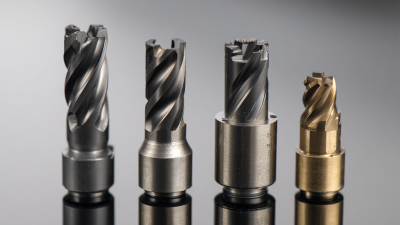
Lately, I've been noticing that Zcc Inserts Carbide are becoming pretty popular across various manufacturing fields. According to a recent industry report from the International Cutting Tools Association, there's been about a 15% uptick in demand over the past year—pretty impressive, right? These inserts are such a game-changer when it comes to boosting productivity and cutting efficiency, especially in high-speed machining setups where every second counts.
I came across what Dr. Emily Carter, a real expert in advanced manufacturing, had to say about them. She mentioned that "Zcc Inserts Carbide really cut down on tool wear, which means you can run longer production cycles without constantly changing tools." That’s a huge deal. But, honestly, it seems like a lot of companies still don’t fully realize just how powerful these inserts can be. Bridging that knowledge gap is so important if we want folks to get the most out of Zcc Inserts Carbide.
On the ground, these carbide inserts have proven their worth across different materials—think alloys, composites, you name it. Still, not everyone knows the best ways to use them effectively. Figuring out the right configurations can be pretty overwhelming, and I get it. The industry’s got some catching up to do in fully embracing Zcc Inserts Carbide tech. It really boils down to investing some time and resources into training so companies can really unlock their full potential.

Overview of ZCC Inserts and Their Functionality
ZCC inserts are essential components in the machining world. Their primary function is to enhance cutting efficiency. These carbide inserts are designed for various applications, making them versatile tools. The unique geometry of ZCC inserts allows for different cutting angles. This flexibility improves precision in multiple operations.
The benefits of using ZCC inserts include durability and wear resistance. They can handle extreme temperatures during machining. However, not all applications benefit equally. Some users may find the selection process overwhelming. Inadequate knowledge about tooling can lead to suboptimal choices. Ensuring compatibility with specific materials is crucial. Misjudging this aspect can reduce productivity.
Moreover, ZCC inserts contribute to improved surface finishes. The right insert can minimize the need for secondary processes. Yet, it is vital to reflect on maintenance. Regular checks are required to optimize performance. Users sometimes neglect this aspect, leading to inefficient operations. Ultimately, understanding these inserts is key to maximizing their potential in machining processes.
Key Benefits of Using Carbide Inserts in Machining
Carbide inserts are a popular choice in machining due to their exceptional hardness. They withstand high temperatures and pressures, making them ideal for tough materials. The durability of carbide inserts can significantly reduce tool wear, which leads to longer tool life. This is crucial for businesses aiming to lower production costs while maintaining quality.
Precision is another key advantage. Carbide inserts can produce finer finishes on materials. With precise cuts, they reduce the need for secondary operations. This can expedite the manufacturing process. However, achieving optimal performance requires careful selection and proper setup.
Despite their benefits, carbide inserts have limitations. They can be brittle if not used correctly. This brittleness can lead to unexpected failures during machining. Regular assessments are needed to prevent costly downtimes. Craftsmanship plays a vital role in maximizing the benefits of these tools. Understanding the right conditions ensures better results in machining tasks.
Top 10 Benefits of Using Carbide Inserts in Machining
Applications of ZCC Inserts in Various Industries
Carbide inserts are vital tools in many industries. They offer excellent hardness and wear resistance. In manufacturing, these inserts excel in machining various metals. They support high-speed cutting, improving efficiency. Their properties ensure a longer tool life, reducing downtime.
In the automotive sector, carbide inserts enable precision in component fabrication. They allow manufacturers to achieve tight tolerances. This precision benefits the automotive assembly line. Similarly, in aerospace, these inserts are crucial for creating lightweight yet strong parts. They help engineers meet the stringent safety standards of aviation.
However, not every application may yield optimal results. Sometimes, specific materials can wear inserts down faster than expected. Operators must regularly reassess their tools and workflows. Striking the right balance between speed and quality remains a challenge. The evolving needs of industries call for constant innovation in tooling solutions.
Comparison of ZCC Inserts with Other Cutting Tools
When comparing ZCC inserts with other cutting tools, several factors come into play. ZCC inserts are known for their high wear resistance. They withstand heat, making them suitable for tough materials. However, they can be more expensive than standard inserts. This cost can deter some users. Yet, the durability can lead to lower replacement frequencies.
On the other hand, traditional cutting tools often use less durable materials. They may require frequent changes, increasing downtime. Users might find them cheaper initially. But the long-term expenses could be higher. ZCC inserts deliver precision cutting with reduced tool wear. This quality can enhance productivity. Still, not every workshop needs such high performance.
Some might overlook the importance of tool selection. Investing in ZCC inserts can yield significant benefits in high-demand environments. But in softer materials, traditional tools might suffice. Finding the right balance is key. There’s always a reflection on needs versus costs in the machining world. Every choice carries implications for efficiency and budget.
Factors Influencing the Performance of Carbide Inserts
Carbide inserts are essential in machining processes. Their performance hinges on multiple factors. Tool geometry, for instance, plays a crucial role. An insert's shape affects cutting efficiency and chip removal. A sharper edge may improve cutting action, but it can break more easily. Finding the right balance is often challenging.
Another critical factor is the cutting speed. Higher speeds can lead to better surface finish but also increase wear. It’s a constant juggle between speed and tool longevity. Additionally, the coolant type influences thermal stability. Efficient cooling can minimize tool damage and maintain performance. Yet, improper use may lead to poor results.
The material of the workpiece is also vital. Different materials may require specific insert compositions. Hard materials, for example, can wear down inserts faster. This requires careful selection and adjustment of parameters. Each machining environment presents its own unique challenges. The right combination of factors is key to achieving the desired performance. There’s always room for improvement and adjustment, and reflection is necessary.
Top 10 Zcc Inserts Carbide Benefits and Applications
| Benefit/Application |
Description |
Influencing Factors |
| High Wear Resistance |
Carbide inserts maintain their sharpness longer, reducing downtime for tool changes. |
Material composition, operational environment. |
| Heat Resistance |
Withstand high temperatures during machining without losing integrity. |
Cutting speed, cooling methods. |
| Versatility |
Can be used for various materials including metals, plastics, and composites. |
Insert design, geometry. |
| Improved Surface Finish |
Provides a smoother finish on the workpiece, enhancing quality. |
Feed rate, cutting speed. |
| Cost Efficiency |
Longer life of inserts reduces the frequency of replacement costs. |
Operational conditions, material cost. |
| Increased Productivity |
Higher cutting speeds and feeds result in faster production times. |
Machine capabilities, operator skill. |
| Reduced Tooling Changes |
Less frequent need to change tools leads to uninterrupted operations. |
Insert geometry, machining strategy. |
| Optimal Chip Removal |
Designed for efficient chip evacuation, reducing the risk of damage. |
Insert shape, cutting conditions. |
| Enhanced Tool Stability |
Robust tool design minimizes vibration during cutting. |
Toolholder design, machine rigidity. |
| Environmental Benefits |
Modern carbide inserts can be more eco-friendly with reduced waste. |
Manufacturing processes, recycling options. |
Maintenance Tips for Extending the Life of ZCC Inserts
Maintaining ZCC inserts is crucial for maximizing their lifespan and effectiveness. Proper care can prevent premature wear and tear. Regular cleaning is one key tip. A clean insert performs better and lasts longer. Use a soft brush and a suitable solvent for this task. Avoid using abrasive materials that may damage the insert.
Another critical aspect is monitoring the cutting conditions. Ensure that you are using appropriate speeds and feeds for the material being worked on. Overheating can lead to chipping. Adjust your settings according to the material to maintain optimal performance. Additionally, always check the insert for wear before starting a new task. Catching issues early can save both time and money.
Lastly, storing inserts properly can make a significant difference. Use protective containers to avoid chips and scratches. Humidity control is vital; excess moisture can corrode the carbide material. Regularly review your storage practices to ensure longevity. It’s easy to overlook these details, but they can be game-changers. Maintain focus on these practices and challenge yourself to improve.
Future Trends in ZCC Insert Technology and Applications
The future of ZCC insert technology is promising. Industry reports indicate a strong growth trajectory. The market for carbide inserts is expected to expand at a CAGR of 6.4% through 2026. This trend reflects the increasing demand for precision machining in various sectors. Aerospace and automotive industries are leading this growth. Both demand high precision and durability from their cutting tools.
Technological advancements play a key role in this evolution. Recent innovations in coating techniques have improved wear resistance significantly. Some coatings can increase tool life by up to 50%. Furthermore, the integration of smart technology is gaining traction. Sensors embedded in inserts can provide real-time data. This data helps in predicting tool wear and optimizing performance. However, challenges remain. Not all manufacturers adapt quickly to these advancements. Some still rely on outdated production methods. This gap can affect competitiveness in the market.
Sustainability is also a major concern. The lifecycle of carbide inserts needs attention. More companies are exploring eco-friendly options for disposal and recycling. Circular economy practices are becoming essential. Reports show that manufacturers who adopt these practices see improved brand loyalty. Yet, there is still resistance in the industry. Adopting new practices requires effort and investment.
Enhancing Machining Efficiency: Insights from the Latest Industry Reports on CNC Turning Inserts and the ZCCCT CNMG120408-PM YBC251
In the rapidly evolving landscape of machining technologies, CNC turning inserts play a pivotal role in enhancing manufacturing efficiency. Among the latest advancements, the CNMG120408-PM YBC251 model has gained attention for its exceptional performance in semi-finishing processing applications. Designed specifically for steel workpieces, this insert utilizes advanced PVD and CVD coatings that significantly improve tool life and surface finish quality.
CNC cutting machines and lathe machines equipped with these carbide inserts demonstrate remarkable efficiency in material removal rates, making them ideal for high-precision applications. The versatility of the CNMG120408-PM YBC251, compatible with various tool holders like DCLNR/L and PCBNR/L, provides manufacturers with the flexibility to optimize their machining operations. With a minimum order quantity of just 10 pieces, these cutting tools offer an accessible solution for companies looking to improve productivity without compromising on quality or reliability.
FAQS
: Stress may cause headaches, fatigue, and difficulty sleeping. It can also lead to irritability and anxiety.
Regular exercise, balanced nutrition, and mindfulness practices can help. Finding hobbies you enjoy also reduces stress.
Yes, reaching out to friends or professionals is important. It’s healthy to seek support when feeling overwhelmed.
Try deep breathing exercises or take a walk. Sometimes, simply changing your environment helps you unwind.
Lack of sleep can worsen stress. It may impair focus and increase emotional reactions to daily challenges.
Yes, stress can lead to misunderstandings. It may cause you to be less patient and more withdrawn from loved ones.
Conclusion
ZCC Inserts Carbide are specialized cutting tools widely used in machining processes due to their superior functionality and performance. These inserts are made from carbide, a material known for its hardness and wear resistance, enabling them to withstand the rigorous demands of various industrial applications. The key benefits of using carbide inserts include enhanced tool life, reduced machining times, and improved surface finishes. They are utilized in diverse industries such as automotive, aerospace, and manufacturing, demonstrating their versatility in cutting different materials.
In comparison to other cutting tools, ZCC Inserts Carbide exhibit remarkable performance, influenced by factors such as geometry, coating, and cutting conditions. Proper maintenance practices are essential to extend the lifespan of these inserts, ensuring optimal performance over time. As technology evolves, future trends in ZCC insert development may lead to even more advanced features and applications, solidifying their position as a vital component in modern machining operations.