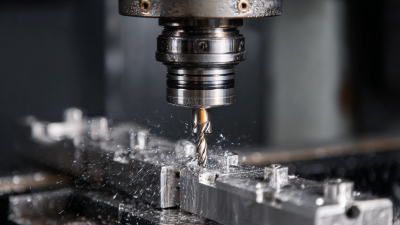
When it comes to precision machining, picking the right tools really makes all the difference. Take Tungsten Carbide CNC Inserts, for example—they're known for being tough and reliable. Companies like XYZ Tools and ABC Inserts have really pushed the envelope here, coming up with some pretty cool innovations. These tools are used in a bunch of industries too, from aerospace to automotive, which is pretty impressive.
That said, not all Tungsten Carbide CNC Inserts are created equal. People using them often have mixed experiences. A common snag is that the tools tend to wear out, especially during long runs, which can lead to more costs and downtime—ain’t nobody got time for that! So, it’s really important for manufacturers to think carefully about what they actually need before choosing the right insert.
There’s still a lively debate about which insert is the best out there. Things like cutting speed and how well the chip is removed play a big role in that decision. User feedback sweet spots on how crucial proper application is—sometimes things go smoothly, other times not so much. Finding that sweet spot between top performance and the operational realities is kinda a work in progress, but that’s part of the journey, right?

Overview of Tungsten Carbide CNC Inserts in Precision Machining
Tungsten carbide CNC inserts are vital in precision machining. Their hardness and durability make them ideal for cutting various materials. These inserts provide superior performance, often outlasting traditional tools. However, not all inserts are created equal. Some may wear down faster than expected. It’s crucial to select the right insert for the job.
The geometry of tungsten carbide inserts influences their performance. Different shapes and coatings can enhance cutting efficiency. Experimenting with these variables can yield better results. Yet, machining professionals sometimes overlook this. They stick to familiar choices, which may not always be optimal.
Maintaining tungsten carbide inserts is equally important. Regular inspection can prevent unexpected failures. It’s easy to get complacent, ignoring signs of wear. More attention to detail can save time and reduce costs. Understanding the specific needs of a project will lead to better outcomes in precision machining.
Key Properties of Tungsten Carbide for CNC Machining Applications
Tungsten carbide is a popular material in CNC machining. Its high hardness is vital for achieving precision. This hardness allows it to withstand wear effectively. In high-speed machining, tools made from tungsten carbide maintain their edge longer. They resist deformation under pressure. This leads to better surface finishes.
Another key property is thermal resistance. Tungsten carbide can endure high temperatures without losing its integrity. This makes it ideal for tough machining applications. However, it is important to maintain proper cooling throughout the process. Overheating can still lead to tool failure. Regular checks and adjustments are necessary to ensure optimal performance.
The brittleness of tungsten carbide is a drawback. It can shatter under severe impact. This risks damaging both the tool and the workpiece. Users must be cautious during operation. Proper handling and technique can reduce breakage. With these considerations, tungsten carbide remains a top choice for precision CNC machining. It excels in areas requiring hard and durable materials.
Factors to Consider When Choosing CNC Inserts for Precision Work
When selecting CNC inserts for precision machining, several factors are critical.
Material choice is paramount. Tungsten carbide is popular for
its hardness and wear resistance. The coating on the inserts also matters. It can enhance performance,
especially in challenging conditions. Different coatings can help with heat resistance and improve surface finish.
Additionally, consider the insert geometry. Shapes and angles play
a key role in cutting efficiency. A well-designed geometry can lead to better chip removal and reduce cutting forces.
The type of machining operation must also influence your choice. Turning, milling, or drilling each has specific requirements.
However, many overlook the importance of tool life.
It’s not just about performance; it’s about longevity too. Regular evaluation of insert performance can expose flaws
or inefficiencies. This reflection can lead to better decisions in future projects.
Precision machining is an ongoing learning process.
Every insert choice teaches us something new.
Top Brands and Manufacturers of Tungsten Carbide Inserts in 2026
When it comes to precision machining, tungsten carbide CNC inserts are critical. In 2026, several brands stand out for their reliability and performance. Each brand brings unique features tailored for different machining needs. Some may excel in longevity, while others focus on precision cutting capabilities. The choice often depends on the specific application.
Tips: Always check the insert's specifications. Ensure they match your machining materials. A mismatch can lead to inefficiencies. Choosing the wrong insert can incur extra costs and delays.
Users should consider the coating types as well. Different coatings can enhance durability and reduce friction. However, finding the right balance can be tricky. Some users prefer inserts with coatings for harder materials, while others prefer uncoated for softer tasks. Experimentation may yield surprising results.
Tuning your settings is essential. Sometimes, adjustments lead to better machining results. Engage in trial runs to see what works best. Understand that what works perfectly for one material may not for another. Adaptability is crucial in this field.
Comparison of Coatings and Treatment Options for CNC Inserts
When considering CNC inserts, coatings and treatment options play a crucial role. Recent industry studies indicate that properly treated tungsten carbide inserts can enhance durability significantly. For instance, some coatings, like titanium nitride, increase wear resistance by 30%. Yet, not all coatings are suitable for every application.
Surface treatments such as nitriding can augment toughness, but they may not improve hardness. Some machinists report that a combination of treatments yields the best results. For example, using a layered approach with different materials can lead to increased effectiveness.
However, the ideal treatment solution often depends on specific machining conditions. Factors like cutting speed and material type impact performance. There’s a lingering debate over the best coating for high-speed machining. Data suggests that while some coatings excel, they may not universally apply. Testing remains essential to find the optimal balance for particular needs.
Common Applications of Tungsten Carbide CNC Inserts in Industry
Tungsten carbide CNC inserts are widely used in various industries due to their durability and precision. These inserts excel in machining hard materials. They have high wear resistance and can withstand high temperatures. This makes them ideal for applications in aerospace, automotive, and mold-making industries.
Common applications include turning, milling, and drilling. In turning, they efficiently shape metal parts with accuracy. For milling, the inserts can create complex geometries in different materials. Drilling applications often require precision and efficiency, where tungsten carbide inserts provide excellent performance.
Tip: When selecting inserts, consider the material being machined. Some inserts work better on steels, while others suit harder materials.
Despite their advantages, there are challenges. Not all inserts perform well under high-pressure conditions. Some users report premature wear or chipping. It’s important to regularly monitor your tools. This helps to identify issues before they escalate.
Tip: Regular tool maintenance can extend the life of your inserts. A little attention goes a long way.
In summary, tungsten carbide CNC inserts play a crucial role in precision machining. Their versatility helps tackle a range of tasks. However, careful handling and monitoring are essential for optimal results.
Future Trends and Innovations in Tungsten Carbide Insert Technologies
The future of tungsten carbide inserts in precision machining is exciting. Innovations are emerging at a rapid pace. New coatings enhance the durability of these inserts. A growing focus on sustainability is also changing the landscape. More manufacturers are exploring eco-friendly materials. The goal is to reduce waste while maintaining high performance.
One promising trend is the development of advanced geometries. Unique shapes can improve chip removal and reduce friction. This can lead to faster machining speeds and better surface finishes. However, achieving these designs requires careful engineering and testing. There are challenges to overcome. Not all new designs lead to immediate performance gains.
Collaboration between engineers and machinists is essential. Their insights can help refine these technologies. Trial and error remain vital. Some innovations may initially fail to meet expectations. Yet, each setback can inform future improvements. As the industry evolves, so too will the approaches to tungsten carbide insert technologies.
FAQS
: The product aims to improve daily efficiency. It helps users streamline tasks.
Follow the user guidelines closely. Experiment with different settings for best results.
Regularly clean the device. Check for software updates frequently.
Review troubleshooting tips in the manual. Sometimes, a simple restart can solve issues.
Ensure proper ventilation when using. Avoid exposure to moisture.
Most users can operate it easily. However, children should use it under supervision.
Yes, support is accessible via phone or email. Response times may vary, so be patient.
Some users overlook setup instructions. Not using the product regularly can also lead to issues.
Generally, there is a return policy in place. Review the specific terms before purchasing.
Conclusion
The article titled "2026 Best Tungsten Carbide CNC Insert for Precision Machining" provides a comprehensive overview of the pivotal role of Tungsten Carbide CNC Inserts in enhancing precision machining processes. It delves into the key properties of tungsten carbide, highlighting its superior hardness, wear resistance, and thermal stability which make it an ideal choice for demanding machining applications.
Additionally, the article outlines essential factors to consider when selecting CNC inserts, such as geometry, coating options, and compatibility with specific materials. It also discusses the common applications of these inserts across various industries and anticipates future trends and innovations in tungsten carbide insert technologies. Collectively, this information aids manufacturers in making informed decisions, ultimately leading to enhanced performance and efficiency in precision machining.