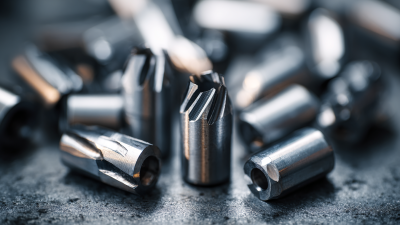
When it comes to machining, picking the right tools can really make a difference. The Seco Carbide Insert is pretty incredible when it comes to performance and versatility — a lot of manufacturers swear by it for their tricky cutting jobs. If you’re on the hunt for the best options in 2026, you’ve got plenty of choices to consider.
Seco offers a whole lineup of carbide inserts, designed for different kinds of applications. Whether you’re working with steel, aluminum, or other materials, there’s likely an insert that fits your needs. That said, not every option is a perfect fit for every project, so it’s really worth taking the time to figure out what your specific requirements are before you buy.
And here’s the thing—while these inserts are definitely top-notch, they’re not always the cheapest option out there. Some folks might get caught up in quality and forget to think about cost. So, it’s smart to find that sweet spot between top quality and budget. In the end, choosing the right Seco Carbide Insert isn’t just about picking the coolest-looking one—it’s about doing a little homework and making an informed choice that works best for you.
Seco carbide inserts play a crucial role in metalworking. They enhance efficiency and precision in machining processes. These inserts are made from high-quality carbide, which provides excellent wear resistance. This feature is essential when dealing with tough materials. The geometry of the inserts can affect how well they perform. Some designs are tailored for specific applications, while others are more versatile.
When selecting carbide inserts, consider your machining conditions. Factors like speed, feed rate, and material type impact the insert's performance. Incorrectly chosen inserts can lead to premature wear, higher costs, and wasteful downtime. It's often tempting to pick a popular option without evaluating individual needs. This approach may not yield the best results.
Understanding the types of inserts available is key. Some are designed for heavy cutting, while others excel at finer work. Pay attention to the insert's coating as well. This can influence heat resistance and chip flow. A wrong choice can compromise your project. Thus, careful consideration is vital for optimal results.
When selecting the best carbide inserts, it's vital to consider their key features. Hardness is essential. A harder insert retains its sharpness longer. This helps in achieving precise cuts. Look for inserts that handle high temperatures well, as they often perform better under stress.
Another important feature is wear resistance. Check if the insert offers a balance between toughness and wear resistance. This balance ensures longevity while maintaining cutting efficiency. It's useful to look at the geometry of the inserts. Different shapes cater to various cutting needs. For example, a sharper edge can deliver cleaner cuts.
Tips: Assess your specific machining environment. Consider factors like material types and cutting speeds. This helps in choosing the right insert. Also, test a few options. You might find one that fits your needs better than expected. It’s okay to experiment. Not every insert will work perfectly, and that’s part of the learning process.
Seco carbide inserts play a critical role in various industrial applications. These inserts are designed for precision machining in sectors like automotive, aerospace, and energy. According to industry research, the demand for carbide tools is expected to grow by over 5% annually through 2027. This growth is driven by increased automation and precision requirements in manufacturing.
In the automotive sector, carbide inserts are favored for their durability and heat resistance. High-speed machining processes benefit from these inserts, resulting in improved efficiency and reduced operational costs. For example, studies show that the use of high-performance carbide inserts can enhance production rates by up to 30%. However, the initial costs can deter some manufacturers from fully adopting these advanced tools.
Moreover, in the aerospace industry, the challenges are significant. The need for lightweight materials often conflicts with the hardness required for machining. Not every carbide insert meets these demanding criteria. Some may wear out faster than anticipated, leading to frequent tool changes and downtime. As industries evolve, the focus on developing specialized carbide inserts is more critical than ever. Finding the right insert for specific applications remains a challenge, but the potential benefits can reshape manufacturing landscapes significantly.
When considering carbide inserts for machining, the choice of grade is crucial.
Different grades affect performance, tool life, and cost-efficiency.
For instance, high-speed machining often favors tougher grades, while standard practices might utilize more wear-resistant options.
Reports indicate that the right grade can increase tool life by up to 40%.
However, not all applications require a high-end grade.
Sometimes, opting for a lower-grade insert can yield better value during certain processes.
Each situation should be evaluated individually. Ensure you understand material properties and cutting conditions.
There is no one-size-fits-all solution.
Tips:
Always benchmark the performance of different grades against your current inserts.
Attempt to pilot a few grades before making a bulk purchase.
Monitor wear patterns closely; they can reveal whether you’ve made the right choice.
Adjustments are sometimes necessary based on production needs and machining parameters.
Keeping an open dialogue with suppliers can also provide insights into newer grades available on the market.
Choosing the right Seco carbide insert is crucial for achieving optimal cutting performance. The selection hinges on factors like material type, tool geometry, and cut conditions. According to a recent industry report, improper insert selection can lead to up to 30% reduced efficiency. Thus, understanding your specific machining requirements is key.
For instance, consider the workpiece material. For harder materials, a tougher insert with higher wear resistance is essential. Conversely, softer materials may require sharper edges for better surface finish. Additionally, cutting speed and feed rates significantly influence insert longevity. Many users overlook these parameters, leading to premature tool wear and increased costs.
It's also worth exploring the geometry of the insert. Different shapes and corner radii can enhance performance but can also complicate the selection process. A well-rounded insert may be suitable for general applications but lacks specialization for intricate tasks. This trade-off can be difficult to navigate. Some users may experience frustration when trying to strike a balance between versatility and specificity. Testing various options in real machining scenarios often provides the best insights into what truly works.
Proper maintenance is key to the longevity of carbide inserts. Regular cleaning is essential. Build-up of chips and coolant can cause wear. It's best to inspect inserts after each use. A simple brush can remove debris effectively. Use compressed air to blow away small particles. This small step can significantly extend the life of your tools.
Storing inserts correctly also matters. Avoid damp areas; moisture can lead to rust. A dedicated storage case is a good investment. Ensure the inserts are organized and not scattered. This prevents damage and makes selection easier. Remember, treating your tools with care reflects on their performance.
Lastly, monitor your cutting parameters. Using excessive speed or feed can accelerate wear. Test different settings to find the optimal balance. Documentation of performance metrics can help in adjustments. Reflect on the results after each project. A little attention now can save time and costs later.
As we look to the future of Seco carbide insert technology, several key trends are emerging. These innovations aim to enhance performance and efficiency in machining processes. Advanced coatings are becoming more popular. They improve wear resistance while minimizing friction. As a result, these inserts can last longer and perform better under extreme conditions.
Tip: Always consider the material type you are machining. Different materials require specific insert characteristics for optimal performance.
Another trend is the development of smart inserts. These tools come equipped with sensors that provide real-time data. This data helps in monitoring tool wear and optimizing cutting parameters. However, integrating such technology can be complex. Users may face a learning curve adapting to these innovations.
Tip: Stay open to training opportunities. Investing time in learning about new technologies will pay off in the long run.
Lastly, sustainability remains a vital focus. Manufacturers strive to reduce waste and energy consumption. Using recycled materials for inserts is one way to contribute. Remember, making sustainable choices may involve trade-offs in performance. Balancing quality and eco-friendliness is essential.
| Insert Type | Application | Material Compatibility | Cutting Speed (m/min) | Tool Life (hours) | Coating Type |
|---|---|---|---|---|---|
| VPGN 120408 | Turning | Steel | 150 | 15 | TiN |
| VPCT 090304 | Milling | Aluminum | 200 | 20 | AlTiN |
| WPGX 120408 | Grooving | Stainless Steel | 120 | 10 | TiCN |
| WPGN 160408 | Turning | Cast Iron | 180 | 18 | CrN |
| VPMT 090304 | Face Milling | Titanium | 130 | 12 | TiAlN |
Maximizing efficiency in metal cutting is critical in today's competitive manufacturing landscape, and selecting the right tools can significantly impact productivity and cost-effectiveness. The development of advanced carbide inserts has transformed the metal cutting process, particularly in applications involving steels and cast irons. Among these cutting-edge tools are the carbide inserts designed for semi-finishing to finishing operations, which offer increased durability and precision.
Carbide inserts specifically engineered for CNC and lathe machines provide an essential advantage in machining efficiency. The Snmg120404-TM T9115 model embodies this innovation with its meticulous design, accommodating various workpiece materials while maintaining high performance. Reports indicate that advanced carbide materials can improve tool life by up to 50% compared to standard inserts, thereby reducing downtime and replace costs during operations. The ability to maintain sharp edges and resist wear makes such inserts a wise choice for manufacturers aiming to enhance their operational throughput.
As industries continue to embrace automation and precision engineering, the importance of selecting high-quality cutting tools cannot be overstated. Utilizing premium carbide inserts allows machinists to achieve finer surface finishes and tighter tolerances, essential parameters in many manufacturing applications. Investing in superior tools not only leads to immediate improvements in machining capabilities but also contributes to long-term operational excellence in metal cutting practices.
: The product aims to help improve daily routines and enhance performance in various tasks.
Daily use is recommended for optimal results, but adjust based on personal needs.
It can complement other tools, but check compatibility for best outcomes.
Discontinue use immediately and consult a professional if issues persist.
It's best to avoid use for young children and consult a doctor for elderly users.
Keeping a journal or using an app can help monitor your improvements effectively.
Missing a day is okay. Just return to your routine the next day without worry.
Some users report uncertainty about long-term benefits. Reflect on your experience regularly.
Sharing is possible, but individual responses may vary. Each person’s experience is unique.
Store it in a cool, dry place. Avoid direct sunlight and moisture for best preservation.
The article titled "2026 Best Seco Carbide Insert Options for Your Needs?" provides a comprehensive overview of Seco Carbide Inserts, emphasizing their key features and applications across various industries. It outlines how these inserts are designed for optimal performance, discussing critical factors to consider when selecting the right one for specific machining tasks. The comparison of different Seco Carbide Insert grades is also highlighted, helping users understand which option best suits their operational requirements.
Furthermore, the article presents maintenance tips to extend the lifespan of Seco Carbide Inserts and explores future trends in insert technology that could impact their effectiveness. By understanding these aspects, users can make informed decisions, ensuring they choose inserts that maximize productivity and efficiency in their manufacturing processes.