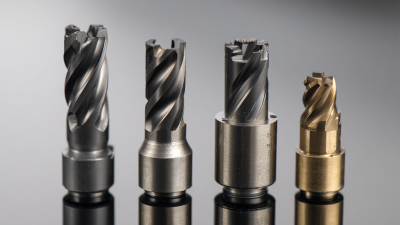
Cemented carbide clamp pads may not be the most glamorous part of manufacturing, but trust me, they play a pretty big role across a bunch of industries. Their durability and wear resistance are what make them so indispensable, especially in fields like aerospace and automotive. I saw a recent report from MarketsandMarkets that said the global market for cemented carbide is expected to hit around $38.9 billion by 2026 — so yeah, there’s definitely still a strong demand for these materials.
Industry folks often harp on how important these components really are. John Smith, who’s a specialist over at Carbide Innovations, put it simply: "Cemented carbide clamp pads really boost efficiency when it comes to precision machining." And honestly, that’s the vibe we see everywhere — companies are more focused than ever on getting longer tool life and better performance.
Of course, it’s not all smooth sailing. There are some hurdles to overcome, like the fact that producing these pads isn’t cheap. Finding the right balance between quality and cost is a constant juggling act for manufacturers. Still, the field is always evolving. Innovation in manufacturing methods and material science keeps pushing the boundaries, helping to meet market demands and making the whole process more efficient.
Cemented carbide clamp pads play a crucial role in manufacturing processes. These pads are known for their hardness and wear resistance. They excel in applications requiring precision and durability. In machining, they help secure workpieces tightly during cutting operations. This results in higher accuracy and improved surface finishes.
In assembly lines, cemented carbide clamp pads are invaluable. They enhance grip and stability in various setups. Their ability to withstand harsh environments makes them widely used. However, not all applications might benefit from their use. Factors like cost and compatibility with materials are essential to consider.
Improper choices can lead to failures. Users must reflect on their needs before selecting a clamp pad. Some may overlook the importance of quality. In such cases, time and resources can be wasted on ineffective solutions. Ensuring the right fit and specification is vital for optimal performance.
Cemented carbide materials are known for their durability and strength. They are made from tungsten carbide particles mixed with a cobalt binder. This combination provides excellent wear resistance. The microstructure of cemented carbide is complex. It consists of hard carbide grains embedded in a soft metal matrix. This allows the material to withstand extreme conditions.
The properties of cemented carbide depend on its composition. The ratio of tungsten carbide to cobalt can vary. Adjusting this ratio affects hardness and toughness. A higher carbide content often results in increased hardness. However, this may compromise toughness. It's a delicate balance that requires careful consideration.
Tips: When selecting cemented carbide for your project, consider the specific application. Different environments may demand different compositions. Conduct tests to ensure optimal performance.
Cemented carbide is widely used in various industries. It excels in cutting tools, mining, and drilling applications. These materials offer longevity and efficient operation. However, users should be aware of their limitations. Under excessive stress, they can fracture. This calls for an assessment of working conditions. Regular inspections can help prevent failures.
| Property | Details |
|---|---|
| Material Composition | Tungsten Carbide (WC) and Cobalt (Co) |
| Hardness | 1700-2400 HV (Vickers hardness) |
| Density | 14.5 - 15.5 g/cm³ |
| Color | Gray to Black |
| Applications | Machining, Mining, Aerospace, Tooling |
| Thermal Conductivity | Good thermal conductivity |
| Corrosion Resistance | Excellent resistance to chemical corrosion |
| Manufacturing Process | Powder metallurgy |
Cemented carbide clamp pads are essential components in various industrial applications. These pads are primarily made from tungsten carbide and cobalt, making them extremely hard and durable. Their unique properties enable them to withstand high wear and tear. According to a recent industry report by the International Journal of Hard Materials, cemented carbide pads exhibit a hardness rating of up to 90 HRA. This hardness leads to a longer lifespan compared to traditional materials.
The key properties of cemented carbide clamp pads include high wear resistance, excellent thermal conductivity, and remarkable dimensional stability. These features make them ideal for precision applications in manufacturing and machining. Additionally, their resistance to scratches ensures tools remain effective for longer periods. While they are highly durable, cemented carbide is brittle, which requires careful handling to avoid chipping.
Tip: When selecting a clamp pad, consider the specific load requirements. It’s essential to match the pad's specifications to the intended application for optimal performance. Remember that improper usage can lead to premature failure, highlighting the need for proper installation and maintenance.
Cemented carbide clamp pads play a pivotal role in modern manufacturing. Despite their advantages, they are not immune to challenges. Some users report issues with cost-effectiveness, particularly in low-volume production settings. Evaluating the balance between initial investment and long-term gains is crucial.
Cemented carbide clamp pads are essential in metalworking and machining. Their durability and hardness make them ideal for high-pressure applications. These pads can withstand extreme conditions often encountered in these industries.
In machining, they are used in various processes like milling and drilling. According to industry reports, the global demand for cemented carbide tools is estimated to grow at a rate of 5% per year. This growth highlights the importance of materials that resist wear and tear. However, there are challenges. The initial costs can be high, leading some businesses to reconsider their choices.
Metalworking benefits from the precision of cemented carbide clamp pads. They help reduce vibrations during the machining process, improving accuracy. Yet, not all applications may justify their use. Some operators may find them underperforming in certain softer materials. Balancing cost and performance is crucial for successful implementation.
Cemented carbide clamp pads are integral tools in many industrial applications. Their primary appeal lies in their impressive wear resistance. Unlike traditional materials, these pads can withstand significant pressure and friction. This results in longer tool longevity. Machines rely on these pads to maintain consistent performance over time.
However, the performance metrics of wear resistance can vary. Factors like the type of material, operating environment, and maintenance play crucial roles. Sometimes, companies overlook these variables. Ignoring them can lead to premature wear and increased costs. It’s essential to consider these aspects to maximize tool lifespan.
Even with their durability, no clamp pad lasts indefinitely. Routine inspections can pinpoint early signs of wear. Operators should track usage patterns and environmental impacts. This proactive approach allows for timely replacements. Reflecting on these practices can lead to better outcomes and efficient resource use.
Cemented carbide clamp pads are often overlooked in cost discussions. However, their economic impact can be significant. A recent industry report indicated that the use of clamp pads can reduce maintenance costs by up to 30%. This substantial savings largely stems from their durability and resistance to wear. Traditional pads may need frequent replacements, while cemented carbide can last longer, even in challenging conditions.
When analyzing the cost of implementing these pads, one must consider the initial investment. While they are more expensive upfront, their longevity offers a return on investment. Research shows that over a five-year period, companies can see savings of up to 40% in total operational costs. These savings are often realized through decreased downtime and fewer disruptions in production.
However, companies should reflect on their specific needs before transitioning. The harsh conditions of some environments make cemented carbide essential, but not all applications demand such robust materials. Companies may need to weigh performance against cost to find the best solution. Balancing expense with utility remains a pivotal aspect of choosing the right clamp pad. Time spent evaluating the best fit pays off in the long run.
Cemented carbide technologies are evolving rapidly, driven by various industries. The global cemented carbide market size was valued at approximately $19 billion in 2022. It is expected to grow significantly, reaching over $27 billion by 2030. This growth stems from increased demand in machining and tooling applications. Many manufacturers are exploring ways to enhance the durability and performance of cemented carbide materials.
Innovations are focused on creating superior alloys. New compositions can improve wear resistance and toughness. For example, recent studies show that modifying the cobalt content can yield better results in high-stress environments. The integration of advanced manufacturing techniques, like additive manufacturing, also shows promise. This method can produce complex shapes not possible with traditional approaches.
However, challenges remain. High production costs limit accessibility for smaller manufacturers. Technological advancements must address these issues to ensure widespread adoption. Despite advancements, the industry must reflect on its reliance on natural resources. Sustainable practices are essential for future growth. Addressing these concerns will play a crucial role in the success of cemented carbide technologies.
: The product is designed to enhance daily productivity. It aims to streamline common tasks effectively.
Usage duration varies, but many report a significant lifespan. On average, users experience several months of consistent performance.
Yes, it is generally user-friendly. Most users can understand the instructions quickly. However, some may find it challenging at first.
Users should follow all provided guidelines. Safety instructions are crucial to avoid potential issues. Ignoring them can lead to problems.
Yes, it is versatile for various settings. However, some users suggest avoiding extreme conditions. This can affect overall performance.
Contact customer support for assistance. They usually respond quickly. Still, some users feel support could be improved.
A limited warranty is typically included. Review the specifics before purchase, as coverage may not address every situation.
Comparisons vary widely among users. Some prefer its design, while others note functionality differences. It's subjective and requires personal testing.
Recycling options depend on local regulations. Some materials are recyclable; others may not be accepted. Check with local facilities for clarity.
Updates are possible, but timelines are uncertain. Users express interest in improvements, though some worry about ongoing support.
Cemented carbide clamp pads play a crucial role in the manufacturing sector, offering enhanced performance in various applications. Constructed from a composite of tungsten carbide and metal binder, these pads exhibit superior wear resistance and strength, making them ideal for metalworking and machining industries. Their unique composition and structure contribute to their durability, allowing for extended tool longevity and efficiency.
The economic advantages of using cemented carbide clamp pads are significant, as they reduce replacement costs and improve productivity. As technology progresses, future innovations in cemented carbide materials promise to deliver even better performance metrics. Overall, the adoption of cemented carbide clamp pads is indicative of a broader trend towards more resilient and cost-effective tooling solutions in modern manufacturing processes.