0%

CNC inserts are pretty vital in today’s manufacturing world. I mean, if you’ve been paying attention, you’ve probably seen that, according to MarketsandMarkets, the global CNC machining scene is projected to grow at around 6.5% CAGR from 2020 to 2025. These little tools really boost machining speed and accuracy, so companies can cut down on production time like crazy. It’s pretty impressive.

Now, what’s cool about CNC inserts is that they’re designed to help with chip removal and give a smoother surface finish. Big names like Sandvik and Kennametal are using advanced CNC inserts to stay ahead of the game. And here’s a little nugget: a recent study showed that investing in top-quality inserts can actually extend tool life by more than 20%. But, surprisingly enough, lots of businesses kinda overlook how important it is to pick the right inserts and keep them well-maintained.

That can lead to inconsistent results and, ultimately, higher costs. Industry leaders know that getting the most out of these tools depends heavily on selecting the right inserts for the specific job. So, understanding what CNC inserts are all about really is key to running an efficient operation and keeping steady growth in this fast-moving manufacturing world.

What are Cnc Inserts and How Do They Improve Efficiency?

Definition and Purpose of CNC Inserts in Machining

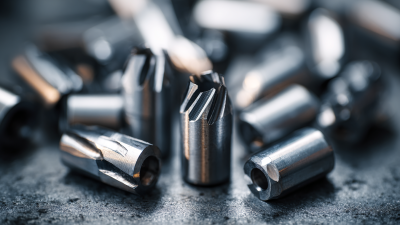
CNC inserts play a crucial role in modern machining processes. They are small, replaceable cutting tools that attach to larger machining equipment. The primary purpose of CNC inserts is to enhance the cutting efficiency and precision of various materials, including metals and plastics. These inserts can be made from materials like carbide, cermet, or ceramic, each offering different benefits depending on the application.

Using CNC inserts not only improves cutting speed but also extends the life of cutting tools. When properly used, they can reduce tool wear and downtime. However, the selection of the right insert is often challenging. Factors like cutting speed, material type, and part geometry must be considered. Mistakes can lead to poor performance or premature wear, which can be costly.

Moreover, machining with CNC inserts requires a balance of experience and technique. Operators must be aware of their machine's capabilities and limitations. They often face issues such as inadequate cooling or improper feed rates. These factors can compromise the effectiveness of the inserts. It’s an ongoing journey to understand and optimize the use of CNC inserts in various machining scenarios.

Types of CNC Inserts and Their Applications

What are Cnc Inserts and How Do They Improve Efficiency?

CNC inserts are crucial in modern machining. They enhance precision and efficiency. Various types of inserts cater to diverse applications. Understanding these types helps in selecting the right insert for specific tasks.

One prevalent type is carbide inserts. They offer durability and high-speed cutting capabilities. Reports indicate that carbide inserts can last up to 50% longer than standard tools. Another type is ceramic inserts. These are excellent for high-temperature applications. Their hardness allows them to maintain sharp edges longer in abrasive materials.

**Tips:** Choose inserts based on the material being machined. Consider the cutting speed and depth of cut. Always monitor wear patterns to optimize tool life.

Cemented inserts are another option. They are suitable for tough materials like stainless steel. However, they may not be the best choice for soft materials. The right insert choice can significantly reduce cycle times and machining costs. Regularly reassess your insert inventory to ensure optimal performance.

Material Composition of CNC Inserts and Its Impact on Performance

What are Cnc Inserts and How Do They Improve Efficiency?

CNC inserts are pivotal tools in machining, significantly affecting efficiency. Their material composition plays a critical role in determining performance. Common materials for CNC inserts include carbide, ceramic, and cermet. Each material has unique properties that enhance durability and cutting efficiency.

Carbide inserts, for instance, are known for their toughness and wear resistance. They often excel in high-speed machining conditions. However, they can be brittle at times, leading to unexpected failures if not used correctly. Ceramic inserts offer high hardness and thermal resistance, making them suitable for certain applications. Yet, they may struggle with shock resistance, limiting their use in diverse machining tasks.

Cermet inserts combine the benefits of ceramics and metallic materials. Their balance between hardness and toughness is appealing. Yet, they may not perform well in all metals. Understanding these material properties allows for better tool selection, enhancing overall machining efficiency. Analyzing machining environments and material compatibility is essential to avoid potential failures.

How CNC Inserts Enhance Machining Efficiency and Precision

CNC inserts are critical components in modern machining. They enhance efficiency by improving cutting precision and tool longevity. According to a report from the National Tooling and Machining Association, proper insert usage can increase productivity by up to 30%. This increase is largely due to reduced tool wear and more efficient material removal rates.

When choosing CNC inserts, consider the material and coating. Inserts designed for specific metals can significantly improve cutting performance. Carbide inserts, for instance, are known for their durability and heat resistance. A study by the American Society of Mechanical Engineers found that using coated carbide inserts can increase tool life by 50%. However, it’s essential to cross-reference insert specifications with your machining needs for optimal results.

Tips: Regularly inspect inserts for wear. Replacing worn inserts on time can prevent inefficiencies. Assessing the toolpath can also reveal areas for improvement. Adjustments in speed and feed rates may enhance performance, but be cautious. Overlooking these details can lead to increased costs and wasted materials. Continuous monitoring is key to maintaining machining efficiency.

Factors to Consider When Choosing CNC Inserts

Choosing the right CNC inserts is crucial for improving machining efficiency. Several factors influence this decision. One important aspect is the material of the insert itself. Different materials, such as carbide or ceramic, offer unique benefits. Carbide may provide better wear resistance, while ceramics can withstand higher temperatures. Understanding the materials’ properties helps in making an informed choice.

Another consideration is the insert's geometry. The shape and angle can significantly impact cutting performance. For example, inserts with a positive rake angle reduce cutting forces. However, they may not be suitable for all applications. Analyzing the machining task is essential. It helps in selecting the geometry that aligns with your specific needs.

Finally, the coating of the insert should not be overlooked. Coatings enhance durability and performance under various conditions. Common coatings include titanium nitride and aluminum oxide. Evaluating the working environment will aid in selecting the right coating. Reflecting on past experiences with different inserts can also guide future decisions. It is essential to learn from both successes and failures to improve productivity.

Maintenance and Care for Prolonging the Life of CNC Inserts

CNC inserts are pivotal in modern machining. They enhance cutting efficiency and product precision. However, their lifespan can vary greatly based on maintenance practices. Proper care can significantly prolong the functionality of these inserts.

Routine cleaning is crucial. Chips and coolant residue should be removed regularly. Neglecting this may lead to chip buildup, which can cause damage to both the insert and the machine. Inspecting inserts for wear and potential issues is also important. Visual checks can identify cracks or dull edges early, preventing larger problems later.

Using the right coolant is essential too. A good coolant can reduce heat and friction. However, not all coolants are created equal. Poor choices can accelerate wear on inserts. Operators should reflect on their coolant selection and adjust as necessary. Regular training on best practices is beneficial. Mistakes happen, but learning from them can lead to better outcomes in the long run.

What are CNC Inserts and How Do They Improve Efficiency? - Maintenance and Care for Prolonging the Life of CNC Inserts

Insert Type Material Application Cutting Speed (m/min) Tool Life (hours)
Carbide Inserts Carbide General Machining 150-250 8-12
Ceramic Inserts Ceramic Hard Materials 200-400 10-15
Cermet Inserts Cermet Finishing Operations 100-200 15-20
High-Speed Steel Inserts HSS Soft Materials 50-150 5-10

Future Trends in CNC Insert Technology and Efficiency提升

CNC insert technology is evolving rapidly. These small but crucial components influence machining efficiency significantly. Machine shops are increasingly focused on advanced materials and coatings that extend tool life. Innovations in insert geometries are creating better chip management. This leads to smoother finishes and reduced downtime during production.

Emerging trends include the use of artificial intelligence in tool selection and performance monitoring. AI can predict wear patterns, enabling proactive maintenance. Data analytics also allow machine operators to fine-tune processes in real-time. These advancements may not eliminate all inefficiencies but certainly address many long-standing issues in machining.

Additionally, hybrid manufacturing techniques are gaining attention. Combining additive and subtractive processes can enhance efficiency. However, the integration of new technologies often presents a steep learning curve. This might require significant investment in training and equipment. As the industry evolves, staying adaptable will be vital for those seeking to leverage these innovations.

Impact of CNC Insert Technology on Efficiency

Enhancing Machining Efficiency with Original High Precision CNC Cutting Inserts Tnmm 220408 Dr Ybc351

In the pursuit of enhanced machining efficiency, high precision cutting inserts play a pivotal role in achieving optimal results. The Tnmm 220408 Dr Ybc351 cutting inserts are designed to meet the demanding requirements of modern machining processes. These inserts are engineered for high-speed and high-efficiency cutting, ensuring that operations can be carried out with minimal downtime while maintaining superior cutting performance.

One of the standout features of these carbide inserts is their exceptional wear resistance, which significantly extends tool life. This is particularly beneficial when working with a variety of materials including steel, stainless steel, cast iron, and nonferrous products. The inserts are not only reliable but also provide stability and security in productive turning applications, reducing the risk of tool failure during demanding tasks. Additionally, the high toughness and low cutting force required for operation make these inserts an outstanding choice for enhancing overall machining efficiency.

Engineered with an understanding of ISO and JIS application areas, these high precision cutting inserts meet the diverse needs of different machining environments. Their ability to deliver consistent results across various materials solidifies their position as a key component in improving productivity and output quality in machining operations.

FAQS

: What are CNC inserts?

: CNC inserts are tools used in machining to improve precision and efficiency.

Why are carbide inserts popular?

They are durable and maintain cutting speed significantly longer than standard tools.

What applications benefit from ceramic inserts?

Ceramic inserts are excellent for high-temperature environments and abrasive materials.

How should I choose the right insert?

Consider the material, cutting speed, and depth of cut before making a selection.

What is an important factor in insert geometry?

The angle and shape of the insert can affect cutting performance and forces involved.

Why is coating important for CNC inserts?

Coatings enhance durability and performance by protecting inserts in various working conditions.

How is technology evolving in insert usage?

Advanced materials and AI tools are improving tool life and performance monitoring metrics.

What challenges come with adopting new technologies?

Integrating new techniques may require extensive training and could disrupt existing processes.

How can I optimize my insert inventory?

Regularly reassess and reflect on performance to ensure effective operations and avoid issues.

Can data analytics improve machining processes?

Yes, it enables real-time adjustments and enhances overall productivity but may require time to master.

Conclusion

CNC inserts are fundamental components in machining, designed to enhance the efficiency and precision of manufacturing processes. These inserts come in various types, each suited for specific applications, which allows for optimized cutting performance. The materials used in CNC inserts significantly affect their durability and cutting capabilities, making the choice of material crucial for achieving desired operational results.

When selecting CNC inserts, factors such as the specific machining task, insert geometry, and material composition should be carefully considered to maximize performance. Proper maintenance and care are essential for prolonging the life of these inserts, ensuring they continue to deliver high-quality results. As technology advances, future trends in CNC inserts are likely to focus on innovations that further improve efficiency and machining precision, solidifying their role as vital tools in the manufacturing industry.

Lila

Lila

Lila is an accomplished marketing professional at Jinan Terry CNC Tool Limited Company, a leading comprehensive agent for exporting CNC cutting tools in China. With a profound knowledge of the industry and its intricacies, Lila excels in articulating the benefits and features of the company's......
Previous Top Reasons to Choose Apkt Carbide Inserts in 2026
Next How to Choose the Right Cutting Tool for Your Needs?