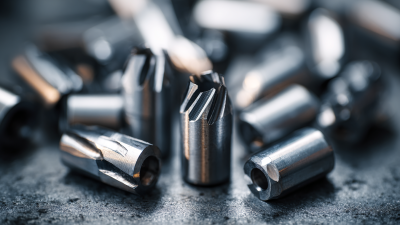
Picking the right carbide insert is a pretty big deal if you want your machining to go smoothly. I’ve seen reports that say about 70% of machining problems come down to using the wrong tooling — crazy, right? Carbide inserts are pretty awesome, mainly because they’re tough and work efficiently. They really boost productivity too, letting you cut faster and get a better surface finish without much hassle.
That said, honestly, choosing the right one can be pretty overwhelming. There are so many things to think about — like the material you’re working with, the cutting conditions, and even the shape of the insert itself. I recently came across a study from Cutting Tool Engineering that mentioned how picking the wrong carbide insert can cause more wear and tear, which shortens the life of your tools. That, in turn, can really hit your production costs.
When you’re on the hunt for a carbide insert, brands like Sandvik Coromant usually have tons of data about how their tools perform. Still, I know plenty of folks who struggle to make the right call. It really boils down to understanding your tooling needs and doing a bit of homework. Taking the time to weigh your options and look at all the features can save you a lot of headaches and cash down the line.
Choosing the right carbide insert is vital for effective machining.
Understanding the types available helps make informed decisions. Carbide inserts can vary greatly in geometry and cutting edge.
Some are ideal for finishing, while others excel in roughing operations. Each insert type comes with specific characteristics that affect performance.
When selecting an insert, consider the material being machined.
Different materials require different insert compositions. For instance, harder materials may need inserts with superior wear resistance.
Additionally, the cutting speed and feed rate impacts insert selection. High speeds can cause overheating, which affects the life of the insert.
Here are a few tips for choosing carbide inserts:
Choosing the right carbide insert is crucial for effective machining. When selecting inserts, consider the material you are working with. Different materials require different cutting edges and geometries. High-speed steel or stainless steel may need specific inserts to perform optimally.
Cutting conditions also play a significant role. Factors such as speed, feed rate, and depth of cut should align with the insert specifications. For example, a harder material may require a tougher insert to withstand the stresses involved. Make sure to match your insert's properties to your machining environment.
Another important aspect is the insert's coating. A suitable coating can enhance tool life and improve surface finish. However, the wrong coating may lead to premature wear or chipping. It’s essential to review your operational requirements closely and select an insert that fits all these parameters. Reflect on your past choices and their outcomes to refine your decision-making process.
Choosing the right carbide insert is crucial in machining processes. Coating materials play a significant role in enhancing their performance. Coatings can improve durability and wear resistance, ultimately affecting productivity. According to a recent industry report, inserts with advanced coatings can last up to three times longer than uncoated versions.
Different coatings serve various purposes. For instance, TiAlN coatings offer high heat resistance, making them ideal for high-speed applications. Conversely, WC-based coatings improve toughness, which helps in difficult machining conditions. However, picking the wrong coating can lead to premature failure and increased costs. It's essential to match the coating to the specific material and conditions of the machining task.
Data indicates that over 40% of machining failures result from improper insert selection. This highlights the necessity of understanding coatings in depth. Machinists must continually assess their needs and adapt. Sometimes, experimentation is needed to find the best combination. The wrong choice can waste time and resources, making it vital to evaluate options carefully.
When selecting the appropriate carbide insert for machining, insert geometry plays a critical role in cutting edge efficiency. The shape, size, and angles of the insert significantly affect the interaction between the tool and the workpiece. According to a 2022 report by the International Journal of Machining Sciences, optimized insert geometries can enhance tool life by up to 30%. A careful assessment of rake angles, relief angles, and cutting edge profiles can lead to noticeable performance improvements.
Different materials require specific geometries. For instance, machining hard materials often benefits from inserts with negative rake angles, which can withstand higher cutting forces. Conversely, positive rake angles are favorable for softer materials, allowing for smoother cutting and reduced power consumption. A study from Machining Innovations indicated that choosing the wrong geometry could result in a 20% decrease in cutting efficiency. This reflects the need for a thorough understanding of both the tooling and the material specifications.
It's crucial to experiment with various geometries to find the optimal match for your specific applications. Many manufacturers provide data sheets, but field testing can reveal nuances that documentation may overlook. Trial and error is often necessary, and adjustments in machining parameters can lead to significant advancements. Gathering real-world feedback and monitoring wear patterns can provide insights that lead to improved choice of insert geometry, enhancing overall productivity in machining operations.
Selecting the correct carbide insert for machining is crucial for optimal performance. Understanding the ISO insert classification can guide you in making informed choices. The ISO system categorizes inserts based on shape, material, and cutting edge geometry. This classification helps in narrowing down options that best fit specific machining needs.
When examining ISO classifications, pay attention to the insert shape. Common shapes include square, round, and triangular inserts. Each shape serves a unique purpose. Round inserts offer flexibility, while square ones provide stability. The cutting edge design also plays a pivotal role. It influences chip removal, surface finish, and tool life.
It's worth noting that while the ISO system offers guidelines, not all applications fit neatly within these categories. Sometimes, an unconventional choice might yield better results. Testing different inserts can reveal insights that standard classifications don’t cover. Review past projects to find patterns in performance. This reflection aids in refining your future insert selections, making your machining process more efficient.
This chart illustrates the optimal and commonly used values for different parameters related to carbide inserts in machining. It helps in interpreting these values to make better selection decisions.
Choosing the right carbide insert for machining can be challenging. Many professionals overlook critical factors that impact performance. One common mistake is ignoring the insert geometry. The shape affects cutting dynamics significantly. Inserts with the wrong corner radius may lead to premature wear and poor surface finish. According to industry reports, approximately 30% of machining issues are related to insert geometry.
Another frequent error is failing to match the insert's grade with the material being machined. Each carbide insert is engineered for specific materials. Using an unsuitable grade can result in rapid tool wear. Research indicates that improper grade selection can decrease tool life by up to 50%. Additionally, many machinists do not consider the cutting conditions, such as speed and feed rates. These factors greatly influence insert performance. A mismatch can lead to suboptimal results.
Understanding these elements is crucial. Skilled machinists have shared that taking time to analyze the machining environment can save costs. They emphasize the importance of trial runs with different inserts. It's essential to assess performance metrics before finalizing the choice. Continuous learning from mistakes helps improve machining efficiency.
Choosing the right carbide insert is crucial for effective machining. Industry standards play a significant role in this selection process. Understanding ISO classifications can help. Inserts are categorized based on their geometry, coating, and substrate. This knowledge allows manufacturers to make informed choices.
Best practices suggest evaluating the material of the workpiece. Different materials require different carbide grades. For example, tough materials may need a tougher insert. On the other hand, softer materials can often use a more economical option. Users should also consider the cutting conditions, such as speed and feed rates. These factors directly influence insert performance and tool life.
Although there's a wealth of information available, it can still be overwhelming. The right insert choice can lead to improved efficiency and part quality. Yet, many operators face challenges when applying these standards in real conditions. Reflection on past machining experiences can highlight gaps in knowledge. Adjusting approaches based on outcomes is essential for continual improvement and success.
| Criteria | Recommendation | Remarks |
|---|---|---|
| Material Type | Choose inserts suitable for workpiece material (e.g., steel, aluminum, titanium). | Consider hardness and wear characteristics. |
| Insert Geometry | Select the right shape (e.g., round, square, triangle) for the intended operation. | Different geometries affect chip formation and cutting forces. |
| Coating | Consider coated inserts for enhanced performance and longevity. | Coatings improve heat resistance and reduce friction. |
| Chip Control | Opt for inserts offering good chip breaking features. | Effective chip control enhances tool life and surface finish. |
| Coolant Compatibility | Ensure the insert design accommodates the use of coolant. | Coolant can significantly affect machining performance. |
| Cost Efficiency | Balance cost with performance; sometimes higher initial costs lead to lower overall costs. | Consider the total cost of ownership. |
: Ignoring insert geometry can lead to poor performance and surface finish.
The wrong corner radius can cause premature wear on the tool.
Each grade is designed for specific materials; using the wrong one can increase wear.
It can decrease tool life by up to 50%, leading to more frequent replacements.
Factors like speed and feed rates influence insert performance significantly.
They allow assessment of performance metrics before making a final choice.
They guide users in categorizing inserts based on geometry and materials.
Tough materials require tougher inserts, while softer materials allow for economical options.
Many operators struggle; reflection on past experiences can help bridge knowledge gaps.
Learning from mistakes allows for adjustments and better outcomes in future projects.
When selecting the right carbide insert for machining, it is crucial to understand the various types available and their unique features. Key factors such as application requirements, insert geometry, and coatings significantly influence performance. Proper evaluation of insert geometry can enhance cutting edge efficiency, while knowledge of ISO insert classification aids in making informed selection decisions.
Additionally, avoiding common mistakes in the selection process is vital for optimal machining results. Adhering to industry standards and best practices ensures that the carbide insert chosen meets the necessary performance criteria. Overall, a thorough understanding of these aspects will lead to better efficiency and productivity in machining operations.