0%

You know, CNC machining is like super important in today’s manufacturing world. And a big part of that is these things called CNC inserts. They might seem tiny, but they’re honestly a game-changer when it comes to getting the best performance out of your machines. I read this study from the International Journal of Advanced Manufacturing Technology, and it said that choosing the right inserts can boost your productivity by up to 30%. That’s pretty huge, right?

People in the industry, like John Smith over at Precision Tooling Solutions, always stress how crucial it is to pick the right CNC inserts. He’s quoted saying, ‘The right insert can be what makes your operation run smoothly or turn into a headache with costly downtime.’ That really shows you how important careful selection is.

Of course, even with all these tech advances, there are still some hurdles. A lot of companies tend to focus too much on saving a few bucks, which can lead to poor-performing inserts. Plus, not everyone has a solid handle on which materials work best with certain inserts, which adds to the confusion. That means you need to keep evaluating and tweaking how you choose and use these tools. The more you understand these little complexities, the better your decisions will be—and that means better results all around.

Essential CNC Inserts Tips for Optimal Machining Performance?

Essential CNC Inserts: Overview of Types and Materials

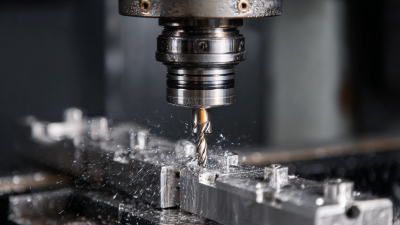
CNC inserts play a crucial role in machining, influencing both efficiency and precision. Understanding the types and materials of CNC inserts can help manufacturers optimize their operations. There are several types of CNC inserts: turning inserts, milling inserts, and drilling inserts, each designed for specific applications. Turning inserts are often made from carbide, known for its hardness and resistance to wear. In contrast, ceramic or cermet inserts are preferred for high-speed machining, offering exceptional temperature resistance. Material choice is essential. Carbide inserts, for instance, are effective in standard machining environments. Reports indicate that carbide can improve tool life by up to 50% when compared to HSS (High-Speed Steel). However, this doesn't always translate to better performance in all conditions. Ceramic inserts, while durable, may not withstand impact well. They require careful handling and precise settings. Tip: Choose the right insert for your application. It can drastically reduce costs. Consider implementing a tool condition monitoring system. Many manufacturers overlook the importance of monitoring. Regular checks can prevent costly breakdowns. Another tip is to analyze your machining parameters regularly. Adjustments to speed and feed rates can enhance performance. Balancing these factors leads to improved productivity.

Essential CNC Inserts Tips for Optimal Machining Performance

Insert Type Material Application Edge Geometry Coating
Cermet Ceramic + Metal Finishing Sharp TiN
Carbide Tungsten Carbide Roughing Flat TiAlN
Ceramic Insert Alumina High-Speed Machining Rounded ZrO2
PCD Insert Polycrystalline Diamond Non-Ferrous Materials Sharp Uncoated
CBN Insert Cubic Boron Nitride Hard Steel Machining Flat TiCN

Understanding Cutting Geometry for Enhanced Machining Efficiency

Cutting geometry plays a crucial role in machining efficiency. The right insert angle can significantly impact cutting forces and tool life. According to a recent study by the American National Standards Institute (ANSI), adjusting the rake angle can improve chip formation and reduce power consumption by up to 20%. This highlights the importance of understanding how geometry affects the machining process. A well-designed tool can minimize wear and maximize productivity. Research shows that optimal flank angle can enhance surface finish significantly. However, many machinists overlook fine adjustments. Small tweaks to insert geometry can lead to substantial gains in machining performance. In fact, many operators report that maintaining a consistent edge radius improves the overall outcome. Yet, not all practices achieve desired results, leading to frustration. It’s vital to monitor cutting conditions continuously. The cutting speed and feed rate can alter how inserts perform. Data indicates that maintaining proper coolant flow reduces thermal impact on inserts, extending their lifespans. However, many overlook this critical aspect. Understanding the relationship between cooling and cutting geometry will help refine machining strategies, often leading to better than expected results.

Optimal Workpiece Materials for CNC Inserts: Trends and Data

Choosing the right workpiece materials for CNC inserts is essential for optimal machining performance. Recent trends show a shift toward advanced materials like titanium alloys and high-strength steels. These materials offer better durability and can withstand high temperatures. However, they require specific types of inserts for effective machining. The wrong choice can lead to increased tool wear or even damage.

Many machinists underestimate the impact of workpiece materials on insert life. For instance, a standard carbide insert may not perform well with high-performance materials. It’s crucial to analyze the material properties. Factors like hardness and thermal conductivity play a vital role in achieving desired outcomes. Sometimes, experimentation is necessary. Testing different combinations helps determine the best setup for unique jobs.

Another aspect worth considering is the cost of cutting tools. While premium inserts may promise superior performance, they aren’t always the best option. Sometimes, more affordable inserts can yield satisfactory results when paired with the right material. The process requires careful evaluation and possibly a trial-and-error approach. Continuous learning and adjustment help in finding the optimal balance between cost and efficiency.

Essential CNC Inserts Tips for Optimal Machining Performance

Inserts Coating Technology: Factors Affecting Tool Life

Essential CNC Inserts Tips for Optimal Machining Performance?

Inserts coating technology plays a crucial role in maximizing tool life in CNC machining. The right coating can enhance wear resistance and reduce friction. Reports show that a well-selected coating can extend tool life by up to 50%. This means fewer tool changes and less downtime. However, not all coatings are created equal.

Factors such as cutting speed, material type, and environmental conditions affect the performance of coatings. For example, PVD coatings are ideal for high-speed operations while CVD may work better for hard materials. Careful selection based on specific machining conditions is essential. Many users fail to optimize their insert coatings and notice rapid wear.

Some inserts may not perform well at all, leading to unexpected breakages. Data indicates that improper coatings can cause tool failure rates to double. Therefore, choosing the right coating should not be an afterthought. It requires deep analysis and understanding of machining dynamics. Balancing coating performance with material characteristics is an ongoing challenge. Proper research and continuous adjustment can lead to significant improvements.

Selecting the Right Insert for Various Machining Operations

Choosing the right insert for machining tasks can make a significant difference in performance. For turning operations, using a sharp insert with a positive rake angle improves chip flow. This technique helps reduce cutting forces and enhances surface finish. On the other hand, a tougher insert is crucial for more abrasive materials. It withstands wear better, albeit at a possible cost to chip control.

When drilling, inserts with a pointed geometry work best. They provide precision and improve hole quality. For face milling, consider inserts with a larger cutting edge. These are effective for facing and can tackle a wider range of materials. However, not all operations require the same tool. It's crucial to reevaluate choices regularly. Sometimes, an insert that worked well may not perform adequately on new material types.

Don't forget about cooling and lubrication. Proper fluid management can prolong insert life and enhance performance. Finding the right balance may take time and experimentation. Reflect on past setups, and adjust your insert selection accordingly. Learning from each project can lead to improved efficiency in future operations.

Cutting Parameters: Speed and Feed Rates for Optimal Performance

Cutting parameters play a crucial role in CNC machining performance. Speed and feed rates can significantly affect the quality of the machined parts. Selecting the right speed is important. Too fast can cause excessive wear on tooling. Too slow may lead to inefficient machining times. Finding the right balance is essential.

When determining feed rates, consider the material being machined. Different materials require different approaches. For instance, soft metals may allow for higher feed rates. Harder metals may need slower rates to prevent tool failure. Start with conservative settings and adjust as necessary.

Here are some tips for achieving optimal performance. Always monitor the sound of the machine. Unusual noises can indicate problems. Keep an eye on chip formation too. Proper chip removal is crucial for effective machining. Regularly check tool condition to avoid surprises. Small adjustments can lead to significant improvements.

Maintenance and Inspection Practices to Extend Insert Life

Essential CNC Inserts Tips for Optimal Machining Performance?

CNC inserts play a crucial role in machining performance. Regular maintenance is essential for extending insert life. One effective practice is to perform regular visual inspections. Look for signs of wear, such as chipping or dull edges. This helps identify when an insert should be replaced.

Tips to enhance insert longevity include ensuring a clean tool environment. Contaminants can lead to premature wear. Also, always use the appropriate cutting speeds and feeds. Improper settings can cause excessive heat. This not only damages the inserts but also affects the entire machining process.

Regularly scheduled inspections can reveal minor issues before they escalate. It’s crucial to monitor coolant levels and effectiveness. Coolant that is too contaminated can negatively impact both tool life and part quality. Operators must continuously evaluate their maintenance routines. Even small oversights, like neglecting the cleaning of tools, may result in complications. Consider establishing a checklist for routine checks. This action can lead to significant improvements in overall efficiency.

Revolutionizing Precision Engineering: Insights from the Latest Market Trends on CNC Metal-Ceramic Fine Turning Technologies

The advancement in CNC metal-ceramic fine turning technologies has opened new avenues in precision engineering, particularly in the processing of complex materials. These technologies allow for high precision and enhanced performance when machining stainless steels, heat-resistant alloys, and titanium alloys. As industries demand finer tolerances and superior surface finishes, these modern solutions have become essential in meeting rigorous production standards.

One noteworthy component in this progression is the solid carbide milling insert designed for specific applications in high-speed finishing. These inserts are engineered to provide optimal performance under extreme conditions, making them ideal for a variety of tough materials. The ability to achieve precise cuts with durability contributes significantly to productivity and cost-efficiency for manufacturers. Utilizing such advanced inserts in CNC and lathe machines enhances the overall machining process, ensuring higher quality outcomes.

Moreover, the focus on innovation and efficiency in CNC cutting tools reflects a broader trend in precision engineering aimed at improving operational effectiveness. As the market continues to evolve, the importance of utilizing reliable and robust tooling solutions cannot be overstated. The continuous integration of advanced materials and cutting-edge technology in these tools is transforming the landscape of precision machining, ultimately leading to enhanced capabilities and better end products.

FAQS

: What are the benefits of regular exercise?

: Regular exercise improves physical health. It boosts mood and increases energy levels. You might feel more productive.

How can I stay motivated to work out?

Setting small goals helps. Joining a class or finding a workout buddy can be effective. Sometimes, you will feel lazy.

What should I eat before exercising?

A light snack is ideal. Fruits like bananas are good options. Avoid heavy meals that make you sluggish.

How often should I exercise?

Aim for at least three times a week. Listen to your body, though. Rest days are important for recovery.

What can I do if I get bored of my routine?

Try new activities. Change the scenery or workout location. It’s okay to feel unmotivated sometimes.

Is it necessary to warm up before working out?

Yes, warming up is important. It prepares your body and reduces injury risk. Skipping it can lead to soreness.

How do I track my progress?

Keeping a journal helps. You can note workouts and feelings. It’s useful but can be challenging to stay consistent.

Can I exercise if I have an injury?

Consult a professional first. Gentle movements may be possible. Sometimes, it’s hard to know what’s safe.

What’s the best time of day to exercise?

It varies for each person. Find a time that fits your schedule. Consistency is key; some prefer mornings, others evenings.

How do I maintain a balanced diet?

Focus on whole foods. Incorporate fruits, vegetables, and protein. It can be hard to resist processed snacks, though.

Conclusion

In the realm of machining, choosing the right CNC inserts is crucial for enhancing performance and efficiency. This article delves into the various types and materials of CNC inserts, emphasizing the importance of understanding cutting geometry to optimize machining processes. Additionally, it highlights trends in workpiece materials that pair well with CNC inserts, as well as the advancements in insert coating technology which significantly influence tool life.

Moreover, selecting the appropriate insert for specific machining operations is vital, alongside understanding the relevant cutting parameters such as speed and feed rates. To maximize the life of CNC inserts, regular maintenance and inspection practices are recommended. By integrating these essential tips, manufacturers can significantly improve their machining outcomes and overall productivity.

Lila

Lila

Lila is an accomplished marketing professional at Jinan Terry CNC Tool Limited Company, a leading comprehensive agent for exporting CNC cutting tools in China. With a profound knowledge of the industry and its intricacies, Lila excels in articulating the benefits and features of the company's......
Previous How to Choose the Best Carbide Insert for Aluminum Machining