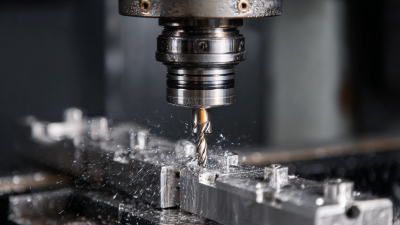
K10 Tungsten Carbide Inserts are pretty essential tools in a bunch of manufacturing processes. Everyone agrees—they’re super durable and resistant to wear and tear, which really helps boost the efficiency of cutting jobs. Industries rely on these inserts when they need precise machining, especially for heavy-duty stuff, because their ability to handle high temperatures means they’re built to last.
But, I’ll be honest, choosing the right inserts isn’t always a walk in the park. There’s just so many grades and performance levels out there; it can get pretty overwhelming. Still, K10 Tungsten Carbide Inserts tend to stand out because of their strength and dependability. Honestly, lots of companies—like XYZ Corporation—have seen a real boost in productivity after switching to these. They help get smoother cuts and make the tools last longer, which is a big win.
Of course, no product is perfect, and K10 Inserts do come with some downsides. For smaller businesses, the upfront cost might feel a bit daunting. But if you think about the long-term savings—like increased efficiency and fewer tool replacements—that initial expense can actually be worth it. It’s really about weighing your options carefully because this choice doesn’t just affect the quality of production; it impacts overall profits too.
K10 tungsten carbide inserts are specialized cutting tools. They are made from a hard, durable material that can withstand high temperatures and pressure. K10 inserts excel in machining processes, especially in tough materials. Their high wear resistance ensures long-lasting performance.
These inserts are often used for turning, milling, and drilling. Their sharp edges allow for precise cuts, making them popular in various industries. Users appreciate how they can maintain a strong cutting edge, but there are challenges. Over time, the edges can wear down, affecting the cut quality. It's essential to monitor their performance regularly.
While K10 inserts are reliable, they are not perfect. Some users find it difficult to achieve optimal cutting speeds. Incorrect settings can lead to rapid wear or tool breakage. Reflecting on these issues can help users improve their machining strategies. Discovering the right balance between speed and feed rates is crucial for maximizing tool life.
K10 tungsten carbide inserts are essential in various machining processes. Their composition includes tungsten carbide (WC) as the primary component. The carbide grains are often bindered with cobalt, which enhances toughness. K10 grade typically consists of 90% tungsten carbide and 10% cobalt. This ratio provides good wear resistance while maintaining some degree of impact resistance.
The properties of K10 tungsten carbide are impressive. It has a high hardness level, reaching over 1600 HV (Vickers Hardness). This enables it to cut through tough materials like steel and cast iron effectively. However, the brittleness of this composition can pose challenges. Under high stress, K10 inserts may chip or break. Proper usage and tool maintenance minimize these issues but cannot eliminate them completely.
Applications of K10 inserts are broad. They are frequently used in turning, milling, and drilling operations. Their ability to maintain sharp edges leads to improved surface finishes. Data indicates a significant increase in tool life, showing an average of 20%-30% improvement compared to non-carbide alternatives. Despite its advantages, users must remain vigilant to the limitations of K10. Understanding its behavior in specific machining environments is crucial to maximizing performance.
The manufacturing process of K10 tungsten carbide inserts involves several key stages. First, high-purity tungsten and carbon powders are precisely blended. This combination forms a strong base material. The mixing must be uniform, as inconsistencies can lead to weak points in the final product.
Next, the blended powder is subjected to a pressing stage. It is compressed under significant pressure in a mold. This step shapes the insert while ensuring density. The pressed forms are still fragile at this stage. They require careful handling to avoid damage.
After pressing, the inserts undergo a sintering process. This involves heating the pieces in a controlled atmosphere furnace. The temperature is crucial and typically exceeds 1400°C. This heat causes the tungsten carbide particles to bond. The result is a solid, durable tool.
However, achieving the ideal density and hardness can be challenging. Some batches may fall short of expectations, necessitating adjustments in the process. Quality control throughout manufacturing ensures only the best inserts make it to market. Each step is critical, requiring attention and skill.
K10 tungsten carbide inserts are essential tools in metalworking. They are known for their hardness and wear resistance. K10 inserts typically contain 90% tungsten carbide and are ideal for machining materials like steel and aluminum. These inserts enhance precision and prolong tool life.
In metalworking, K10 inserts find numerous applications. They are used in turning, milling, and drilling operations. According to research, carbide inserts can improve productivity by up to 30%. They allow for higher cutting speeds. This efficiency is crucial, especially in manufacturing environments aiming to reduce production times.
Tip: Always monitor the temperature during machining to prevent overheating. Overheating can lead to premature wear of the insert.
Another important application is in the automotive industry. K10 inserts are used for machining engine parts and other components. Their durability makes them perfect for high-volume production. However, improper selection of cutting parameters may lead to chipping or breakage.
Tip: Regularly inspect inserts for wear signs. Replace them before they become detrimental to the machining process. This helps maintain quality and efficiency in your operations.
K10 tungsten carbide inserts offer remarkable durability in machining applications. They withstand high temperatures and resist wear, making them ideal for cutting and shaping hard materials. Users often appreciate their ability to maintain sharpness over extended periods, leading to more efficient operations. Choosing the right insert can significantly impact productivity.
The benefits of K10 tungsten carbide inserts extend beyond mere toughness. They provide precision in cutting, which results in cleaner finishes. Many operators notice improved surface quality when using these inserts. Additionally, the reduced frequency of tool changes saves time and lowers costs. This efficiency often leads to more satisfied customers and increased revenues.
Despite the advantages, some manufacturers find it challenging to optimize usage. The inserts may not perform well in all conditions. It requires careful selection of cutting parameters. This aspect often leads to frustration. Users must reflect on their processes and adjust accordingly to achieve the best results. Overall, while K10 tungsten carbide inserts can enhance machining performance, continuous learning and adaptation are essential for maximum benefit.
K10 tungsten carbide inserts are essential tools in machining. These inserts, known for their hardness and wear resistance, excel in various applications. However, how do they compare to other types of inserts?
Ceramic inserts, for instance, are harder than tungsten carbide but are more brittle. They perform well at high speeds but may chip easily. In contrast, carbide inserts handle shock better but can wear down more quickly in extreme conditions. According to industry reports, tungsten carbide inserts can withstand temperatures up to 1000°C, making them practical in many situations.
Tips: Always consider the specific machining conditions before choosing an insert type. Understand the material properties you are working with. Remember that while carbide is versatile, it may not be the best option for every job. Additionally, monitor the insert’s wear. Early detection of wear can prevent further damage and ensure a smooth machining process.
K10 tungsten carbide inserts are popular due to their hardness and wear resistance. However, proper maintenance is crucial to maximize their lifespan and performance. Regular inspections help identify wear patterns and potential cracks. According to industry reports, the correct use of coolant can increase tool life by up to 30%. This suggests the importance of keeping these inserts clean and well-lubricated.
In addition to coolant management, storage conditions are essential. Inserts should be stored in a dry place to prevent rust. Moisture exposure can degrade their properties. Moreover, handling inserts with care prevents accidental damage. Maintaining a clean workspace can also minimize contamination risks. Data shows that a clean environment enhances the effectiveness of cutting tools.
Despite the advantages of K10 inserts, operators often overlook their maintenance. Some may forget to check inserts regularly, leading to premature failures. Evaluating maintenance practices is necessary for improvement. Each manufacturer might recommend different care protocols; thus, referring to those guidelines is advisable. Ultimately, integrating consistent maintenance habits can substantially enhance tool performance and productivity.
: The article aims to provide insights on a specific topic.
The content is designed for readers interested in learning.
You can apply it by making small changes in your routine.
Yes, several examples illustrate key points effectively.
The article discusses common obstacles people face while trying to improve.
Not all advice may suit everyone's situation; reflection is needed.
Tracking small milestones can help gauge your progress effectively.
Yes, the article clarifies several misconceptions around the topic.
Key takeaways include actionable steps and self-reflection practices.
Additional resources might be helpful for deeper understanding.
K10 Tungsten Carbide Inserts are specialized cutting tools known for their superior hardness and durability, making them ideal for metalworking applications. Composed primarily of tungsten carbide, these inserts exhibit outstanding wear resistance and strength due to their unique composition and manufacturing process. The production of K10 inserts involves precise techniques that ensure consistent quality and performance, enabling them to withstand the rigors of heavy machining tasks.
The applications of K10 Tungsten Carbide Inserts are extensive, ranging from turning and milling to drilling operations. They offer numerous benefits, such as improved efficiency, longer tool life, and enhanced finishing quality. When compared to other types of inserts, K10 Tungsten Carbide Inserts demonstrate superior performance in metal cutting. Proper maintenance and care are essential to maximize their lifespan and effectiveness, ensuring optimal productivity in various machining environments.