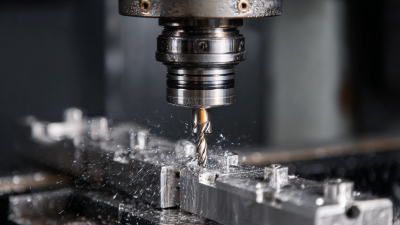
K10 Tungsten Carbide Inserts are really changing the game in manufacturing. Their durability and strength make them a go-to choice across different industries. A lot of companies, like XYZ Tools, are seeing big improvements in efficiency after they started using these inserts in their machinery. It’s pretty impressive!
These inserts are especially great for tough environments. They can handle high temperatures without breaking a sweat and resist wear really well. People who use them often tell us it boosts productivity and actually helps cut down on operating costs. Plus, thanks to their precision machining, they reduce material waste—something that’s definitely a big deal these days with the economy being so tight.
That said, it's not all sunshine and rainbows. Some companies might find the initial cost a bit on the high side. It’s really about weighing that upfront expense against the long-term savings they’ll get. Anyway, taking the time to understand exactly how K10 Tungsten Carbide Inserts fit into your specific operations is key. Every business is different, and sometimes, being flexible and adaptable makes all the difference in the end.
K10 tungsten carbide inserts are widely used in cutting tools and industrial applications. Their origin lies in the combination of tungsten and carbon.
Tungsten carbide is known for its exceptional hardness and durability. This material is produced through sintering a mixture of tungsten powder and carbon sources at high temperatures. The unique structure gives K10 inserts their strength.
The composition of K10 inserts typically includes around 90% tungsten and 10% cobalt. Cobalt acts as a binder, enhancing toughness and making the inserts more fracture-resistant. This balance is crucial for precision machining. However, achieving the right mixture is challenging. Variations in composition can lead to issues in performance and longevity.
In real-world applications, K10 inserts shine in machining hard materials. They effectively cut through steel, aluminum, and other tough alloys. Yet, adverse conditions like overheating can diminish their effectiveness. Users often need to adjust their cutting parameters to maintain performance. Choosing the right inserts involves consideration of various factors, including material and expected application.
K10 tungsten carbide inserts offer numerous advantages in manufacturing. These inserts are known for their hardness and durability, making them suitable for various machining operations. Reports indicate that using K10 tungsten carbide can increase tool life by up to 50%. This enhanced longevity can lead to significant cost savings in production.
One major advantage is their resistance to wear. When machining hard materials, K10 inserts maintain their cutting edge longer than conventional tools. This results in fewer tool changes and less downtime. Manufacturers report improved efficiency as a result. However, a reflection on usage shows that improper handling can lead to chipping or premature failure.
Tips: Always check compatibility with the material before use. Ensure tools are handled with care to maintain integrity. Regular maintenance is crucial. A well-maintained insert can significantly improve performance and safety.
Moreover, K10 tungsten carbide inserts are versatile. They find applications in automotive, aerospace, and metalworking industries. Though these inserts are robust, they can be brittle under certain conditions. Careful consideration of the machining environment is essential for optimal results.
K10 tungsten carbide inserts offer extensive applications across various industries. Their exceptional hardness and wear resistance make them ideal for machining operations in metalworking. According to a report from the International Journal of Advanced Manufacturing Technology, these inserts hold a hardness of up to 90 HRA, which significantly extends tool life. This durability reduces tool change frequencies, ultimately saving costs for manufacturers.
In the woodworking sector, K10 inserts excel in cutting and shaping hardwoods. They achieve smoother finishes compared to traditional cutting tools. A recent survey indicated that manufacturers utilizing tungsten carbide inserts reported an increase in production efficiency of over 25%. This is a remarkable advantage for companies aiming to maximize output.
However, the initial investment in K10 inserts can be high, which may deter small businesses. Also, selecting the right insert for specific materials requires expertise. Using the wrong tool can lead to unsatisfactory results. Overall, while K10 tungsten carbide inserts bring notable benefits, businesses must carefully consider their choices to ensure productivity and profitability.
| Industry | Application | Benefits |
|---|---|---|
| Manufacturing | Turning Operations | High wear resistance and improved tool life |
| Construction | Rock Drilling | Enhanced durability in harsh environments |
| Automobile | Milling Processes | Precision machining and better surface finish |
| Aerospace | Component Fabrication | High performance under extreme conditions |
| Mining | Drilling and Boring | Longer tool life and lower replacement rates |
| Metalworking | Finishing Operations | Improved accuracy and reduced machining time |
When comparing K10 tungsten carbide inserts to other carbide inserts, several key factors come into play.
K10 inserts excel in hardness and wear resistance. This makes them suitable for high-speed machining tasks.
They can withstand high temperatures, making them ideal for tough materials.
Other carbide inserts may not offer the same level of durability. Yet, it's essential to consider the specific application.
Some inserts perform better in soft materials. They may offer superior surface finish.
The choice between K10 and alternatives often depends on the machining conditions. For instance,
cost is a significant factor. K10 inserts can be pricier than others, which could limit their use for some.
Moreover, the effectiveness of K10 inserts is not universally guaranteed. Sometimes, they may chip or break under excessive stress.
Users should always evaluate the compatibility of the insert with their machinery.
Inadequate understanding can lead to inefficiencies. Each application requires careful consideration to achieve the best results.
When handling K10 tungsten carbide inserts, proper installation is crucial for optimal performance. Start by ensuring the insert fits tightly into its holder. Any gap can lead to vibrations and reduce the tool's lifespan. Use the right torque specifications for screws. Over-tightening can cause cracks, while under-tightening can lead to instability. Before installation, check for any defects. A small flaw can undermine the entire process.
Regular maintenance also plays a pivotal role. Inspect the inserts frequently for wear or damage. Replace them at the first sign of deterioration to maintain precision. Cleaning between uses can help remove debris that may affect performance. A quick wash can work wonders. However, avoid harsh chemicals that might damage the carbide.
In practice, the environment can affect the longevity of these inserts. High temperatures or humidity might require more frequent checks. Remember that even minor adjustments in handling can lead to significant improvements in performance. Don't overlook these details. Small changes often lead to better results, but the process isn’t always straightforward. Keep experimenting and learning to maximize the benefits from K10 tungsten carbide inserts.
The future of tungsten carbide insert technology is bright and full of possibilities.
Innovations are emerging that enhance performance and durability. For example, advanced coatings are being developed to improve wear resistance. This could significantly extend the life of the inserts, reducing overall costs for manufacturers.
Sustainability is another focus area. Companies are exploring eco-friendly materials to produce tungsten carbide inserts. These efforts may lead to a lower environmental impact without sacrificing efficiency.
The integration of smart technologies is also on the rise. Sensors can monitor wear in real-time, allowing for timely replacements.
Challenges still exist. Not all companies can afford to invest in the latest technologies yet. Additionally, the ongoing development may lead to a knowledge gap in the workforce. Training is vital for maximizing the benefits of new innovations. As the industry evolves, adaptation will be key to staying competitive.
K10 tungsten carbide inserts are gaining popularity due to their remarkable efficiency and durability. These inserts can significantly reduce production costs over time. However, the initial investment for K10 inserts can be high. This raises questions about their economic impact on small businesses.
When evaluating cost considerations, one must analyze the lifecycle of K10 inserts. Though pricier upfront, they often outlast standard alternatives. This longevity leads to lower replacement frequencies. Some businesses report decreased operational downtime. Yet, companies must also monitor their production volume. If volume is low, the benefits may not offset the initial costs.
Moreover, the environmental impact is worth discussing. K10 inserts are typically more efficient, leading to less waste. But, it’s essential to consider disposal practices. Improper disposal of tungsten carbide can lead to ecological issues. Balancing these factors can be tricky. Companies should weigh their options carefully. Assessing all aspects ensures informed decisions in adopting K10 tungsten carbide inserts.
: The product aims to enhance user's daily experience through convenience and efficiency.
It operates using simple controls. Users can easily manage settings with minimal effort.
Yes, basic setup is needed. Ensure a stable power source and read the instructions carefully.
Most people can use it, but some may find it complicated or need assistance initially.
Users report confusion during initial setup. Clear guidance is essential for a smooth start.
The product has a decent lifespan, but performance may vary based on usage patterns.
Yes, periodic cleaning and checking for software updates improve performance and longevity.
Integration is possible, but compatibility may vary. Users should check their devices beforehand.
Many appreciate the efficiency and time-saving features, though some wish for more customization options.
A few users mention the learning curve. Others feel certain features are underutilized.
K10 Tungsten Carbide Inserts are highly valued in manufacturing due to their exceptional hardness and resistance to wear. Originating from a blend of tungsten and carbon, these inserts provide key benefits such as improved machining efficiency and longevity compared to traditional materials. Their versatility allows for applications across various industries, including aerospace, automotive, and metalworking, enhancing productivity and reducing downtime.
A comparative analysis reveals that K10 inserts outperform many other carbide options, providing superior performance in demanding conditions. Proper installation and maintenance are crucial for maximizing their lifespan, while ongoing innovations in tungsten carbide technology promise to further enhance their capabilities. Cost considerations highlight the economic impact of K10 Tungsten Carbide Inserts, as their durability can lead to significant savings in the long term, making them a smart investment for manufacturers looking to optimize production processes.