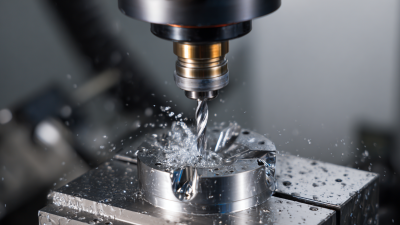
Picking the right Korloy Carbide Insert can really make a difference when it comes to machining performance and how long your tools last. I mean, with the global market for carbide inserts expected to grow at around 5.2% CAGR, getting the selection process right becomes pretty important, you know? A recent report from Research and Markets mentions that high-quality carbide inserts can boost cutting efficiency by up to 40%. That’s a pretty big deal and really highlights just how vital these inserts are for precise engineering work.
In the world of machining, Korloy Carbide Inserts are pretty popular because they’re resistant to wear and do a great job cutting. But here’s the thing — choosing the best one isn't just about grabbing the most well-known option. You’ve got to think about stuff like what material you’re working with and the shape of the insert. Unfortunately, some manufacturers tend to overlook the different grades out there, which can lead to choices that end up holding back productivity.
Of course, many inserts look awesome on paper, but the real test is how they perform on the actual shop floor. It’s important for manufacturers to really evaluate what they need against the wide variety of Korloy Carbide Inserts available. The goal shouldn’t be just to pick what’s popular or familiar, but to find the one that fits their specific machining tasks. Honestly, making these decisions takes a bit of know-how and some careful thinking — but when you do it right, it totally pays off in terms of efficiency and results.
Choosing the right grade of carbide inserts is crucial for machining success. Korloy offers a variety of grades, each suited for specific applications and materials. For example, a grade designed for stainless steel machining differs from those suited for aluminum. Understanding these differences can enhance machining efficiency and tool longevity.
Material compatibility should guide your choice. Some grades excel in high-speed cutting, while others are better for tougher materials. It’s essential to review the insert’s hardness and wear resistance. Not all operators have the same needs; hence, experimenting with different grades can lead to unexpected insights.
Sometimes, selecting the right grade involves trial and error. The performance of an insert can vary based on the cutting conditions. Operators may find themselves adjusting their strategy after noticing unusual wear patterns. This process can be frustrating but also enlightening. Learning from these experiences is key to optimizing your operations.
| Tip | Description | Grade Type | Applications |
|---|---|---|---|
| Consider Material Type | Select inserts based on the material of the workpiece to achieve optimal performance. | PVD Coated | Steel, Stainless Steel |
| Identify Cutting Conditions | Analyze cutting speed, feed rate, and depth of cut for proper insert selection. | Uncoated | Aluminum, Brass |
| Evaluate Insert Geometry | Choose insert shape and size based on the machining operation and tool holder. | Round | Finishing Operations |
| Assess Tool Life | Select inserts that provide a balance between durability and cost-effectiveness. | Ceramic | High-Speed Machining |
| Consult with Experts | Seek recommendations from experienced machinists to guide your selection process. | Cermet | Precision Turning |
When selecting carbide inserts for machining, geometry plays a crucial role. The right shape and angle can greatly influence cutting efficiency. For example, a sharp edge reduces cutting force. This is essential for softer materials. However, more robust geometries are needed for harder materials.
Consider your specific application. Do you need high precision or rapid production? A positive rake angle may benefit finish machining, while a negative rake angle provides better tool strength for roughing. Ultimately, the right geometry reduces wear and enhances performance.
It's essential to understand the trade-offs involved. Some geometries work well for specific operations but might not be the best for others. This could lead to suboptimal results. Constantly assess your choices to improve your machining processes. Have clear criteria for evaluation, yet remain open to adjustments based on performance outcomes.
Choosing the right coating for carbide inserts can significantly impact their performance. Coatings enhance tool life and improve cutting efficiency. Additionally, they can help with heat resistance and friction reduction. Understanding the different types of coatings is essential. This knowledge allows you to make informed decisions for specific machining tasks.
One common coating is titanium nitride (TiN), known for its durability. It provides a hard surface and extends insert life. However, TiN may not be suitable for all applications, especially those requiring extreme heat resistance. Another option is titanium carbonitride (TiCN). It offers better wear resistance than TiN but tends to be more expensive. Experimenting with various coatings can provide insights on what works best for your needs.
Many users overlook the importance of coating thickness. Thinner coatings may wear out quickly, while thicker ones can improve lifespan but may limit precision. Testing different combinations can lead to better outcomes. Reflecting on past experiences can guide you in selecting the right coating for the right application. Reliable performance often requires trial and error. Understanding each coating's pros and cons plays a vital role in production efficiency.
When selecting carbide inserts, it's crucial to balance tool life and cost. High-quality inserts may come with a higher price tag, but they can lead to greater efficiency in the long run.
One tip is to evaluate the material type you’ll be working with. Different materials require inserts with specific geometries and coatings. This selection can significantly affect insert longevity and overall performance.
Another important aspect is understanding the application. For instance, heavy machining requires robust inserts. However, for lighter processes, using a less expensive insert might suffice. Using the wrong insert for the job can lead to premature wear and increased costs.
Lastly, analyze the production volume. If your operations involve high volume, investing in premium grades can enhance your tooling life. But if the work is sporadic, cost-effective solutions might be more appropriate. Always track performance to adjust your choices accordingly. Tools that don’t perform as expected waste both time and money. Remember, choosing the right insert requires a careful assessment of your specific needs.
When selecting carbide inserts, it's crucial to assess their compatibility with both your machine tool and the workpiece material. Each machine tool has specific requirements for cutting tools. Factors include cutting speed, feed rate, and spindle power. Understanding these elements helps in making informed choices.
The workpiece material significantly impacts the insert's performance. For instance, softer materials might require different geometry than harder ones. The right insert not only enhances productivity but also improves tool life. Incorrect selections can lead to poor machining results, increased wear, and even damage to your equipment.
Always review technical data sheets for compatibility metrics. Take note of the insert's recommended usage parameters. It may take time and experimentation to find the perfect match. Mistakes in this process are learning opportunities. Each assessment builds a better understanding of how materials and tools interact.
Choosing the right carbide inserts is crucial for operational efficiency. Industry standards and user feedback provide valuable insights. According to recent reports, 70% of manufacturing engineers rely on user reviews before making their choices. This statistic highlights the importance of firsthand experiences when selecting cutting tools.
One tip is to analyze the insert geometry carefully. Different applications require specific shapes for optimal performance. For instance, inserts with a positive rake angle are ideal for softer materials. User feedback often emphasizes the necessity of geometry that fits their machining processes. Engineers should also consider the coating types. Certain coatings reduce wear and enhance tool life, which is critical for productivity.
Selecting the correct carbide insert can be a trial-and-error process. Some users report issues with specific grades that didn't meet their expectations. This underlines the need for robust testing before implementation. It’s beneficial to gather peer reviews and case studies from similar applications. These insights guide smarter choices, reducing unforeseen challenges in manufacturing.
The manufacturing process of carbide inserts plays a vital role in their performance. It begins with selecting high-quality raw materials, typically powdered tungsten carbide. This material is mixed with cobalt and other additives. The mixture undergoes pressing into specific shapes. This initial phase is crucial, as it determines the insert's hardness and durability.
After pressing, the inserts are sintered in a furnace. This step involves heating them to high temperatures without melting them completely. During sintering, the particles bond together, enhancing strength. It’s essential to monitor temperature closely, as too much heat can lead to defects. This can cause issues, like chipping or reduced wear resistance.
Once sintered, the inserts are machined to exact specifications. Precision is key here since even minor deviations can affect performance. Quality control checks follow, ensuring each insert meets strict criteria. Understanding these steps helps users appreciate the complexity of carbide inserts. This knowledge is valuable when selecting the right product for specific applications. However, manufacturers sometimes overlook these details, which can lead to performance discrepancies. Reflecting on the manufacturing process reveals areas for improvement, guiding better choices in the future.
: Balancing tool life and cost can lead to greater efficiency and reduced expenses in the long run.
Different materials require specific geometries and coatings, impacting insert longevity and performance significantly.
Heavy machining requires robust inserts to withstand stress; using the wrong insert can lead to wear and costs.
For lighter processes, cost-effective inserts might suffice; however, assess your specific needs carefully.
In high-volume operations, premium grades enhance tool life; for sporadic work, cost-effective solutions may be better.
They provide valuable insights, with many engineers relying on reviews to guide their choices effectively.
Geometry is crucial; specific shapes are necessary for optimal performance, especially in varied machining applications.
Yes, some users report problems with grades that didn't meet expectations, highlighting the importance of testing.
Track performance and be prepared to adjust your choices; underperforming tools waste time and money.
They provide insights from similar applications, guiding smarter choices and reducing unforeseen manufacturing challenges.
When selecting a Korloy Carbide Insert for your machining needs, it's essential to understand the various grades available, as they significantly influence machining performance. Choose the right geometry tailored to your specific application to enhance efficiency and accuracy. Additionally, evaluating the coatings can substantially improve the insert's durability and overall performance.
Cost-effectiveness and tool life play critical roles in your decision-making process, so be sure to assess these factors carefully. Compatibility with your machine tool and the material of your workpiece is also crucial to ensure optimal results. Lastly, integrating feedback from industry standards and user reviews, along with insights into the manufacturing process of Korloy Carbide Inserts, can aid in making an informed choice that meets your machining requirements.