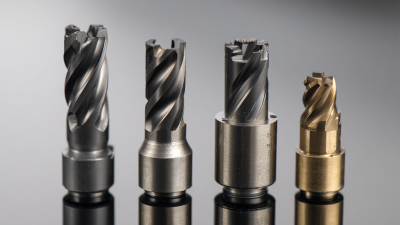
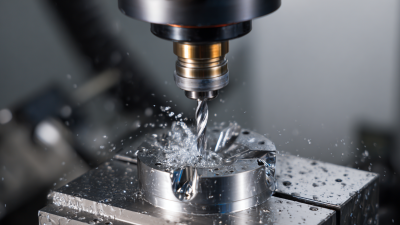
In the world of precision machining, choosing the right tooling components can really make a difference when it comes to productivity and the quality of the final product. One tool that’s absolutely essential in this field is the Carbide Cutting Insert. Have you heard what machining expert Dr. John Smith, a well-known authority on cutting tools, once said? He mentioned that, "Getting the right Carbide Cutting Insert can boost your machining performance and even help your tools last longer, which can totally change how efficient your production line is." That really highlights just how important these inserts are if you're aiming for top-notch results.
Carbide Cutting Inserts have become pretty popular thanks to their special properties—high hardness, great wear resistance, and the ability to handle high temperatures without breaking down. Industries like aerospace and automotive are especially dependent on these inserts because they need to meet tough quality standards but also want to keep costs down. As manufacturing technologies keep evolving, the push for innovative Carbide Cutting Inserts is only getting stronger, all in the quest for better, faster, and more reliable machining.
In this article, we're going to take a look at some of the best Carbide Cutting Inserts out there today. We’ll go over what makes them special, how they’re used, and the kind of benefits they bring to different machining tasks. Knowing about these tools is pretty much a must if you're serious about ramping up efficiency and productivity in manufacturing—trust me, it can make your operation run much smoother.

Overview of Carbide Cutting Inserts in Machining
Carbide cutting inserts are fundamental components in the machining process, significantly affecting both efficiency and the quality of the finished product. These inserts are made from carbide materials, which provide superior hardness and wear resistance compared to traditional cutting tools. They are designed to withstand the high temperatures and pressures encountered during machining operations, making them suitable for a variety of applications, including turning, milling, and drilling. The selection of the appropriate insert geometry and coating can further enhance tool performance and lifespan.
In the realm of machining, the choice of carbide cutting inserts directly influences cutting speed, feed rates, and overall productivity. Various designs, such as sharp edges for finishing operations or stronger, robust geometries for heavy material removal, cater to specific machining needs. Additionally, advanced coatings can improve frictional characteristics and thermal resistance, ensuring that inserts maintain their integrity under strenuous conditions. As manufacturers continually innovate to develop better-performing cutting inserts, the landscape of machining technology evolves, driving improved results in manufacturing processes.
Types of Carbide Cutting Inserts and Their Applications
Carbide cutting inserts are essential components in machining operations, enhancing the efficiency and quality of various processes. Understanding the different types and their specific applications can significantly impact performance. For instance, there are insert types designed for turning, milling, and drilling, each optimized for unique machining tasks. Turning inserts often come in a triangular shape, allowing for swift cuts and better chip removal, while milling inserts may feature a square or round design, providing versatility in different milling operations. Drill inserts, on the other hand, are crafted for precise hole-making and require a geometry that promotes effective chip evacuation.
When selecting carbide cutting inserts, it’s crucial to consider the material you are machining. Different materials, such as aluminum, stainless steel, and titanium alloys, require specific insert grades and geometries for optimal results. The right choice can lead to enhanced tool life and improved surface finish.
**Tip:** Always match the insert with the workpiece material and the machining parameters for best results. Additionally, consult with manufacturers for data on cutting speeds and feeds based on your specific application for optimized performance. Regularly monitoring tool wear can also help you maintain a productive workflow, avoiding unexpected downtime.
Top Carbide Cutting Inserts for Enhanced Machining Performance
| Insert Type |
Material Type |
Application |
Coating |
Recommended Cutting Speed (m/min) |
| CCMT |
Carbide |
Turning Mild Steel |
TiN Coating |
120-180 |
| TGC |
Cermet |
Turning Stainless Steel |
TiAlN Coating |
70-120 |
| DNMG |
Carbide |
Face Turning |
TiCN Coating |
100-150 |
| WNG |
PCD |
Non-Ferrous Materials |
None |
200-300 |
| SNMG |
Carbide |
Turning Hard Metals |
AlTiN Coating |
80-140 |
Key Factors Affecting Machining Performance of Inserts
When considering the machining performance of carbide cutting inserts, several key factors come into play that can significantly influence efficiency and effectiveness. One of the primary factors is the insert geometry, which includes variables such as rake angle, clearance, and insert shape. According to a report by the International Journal of Advanced Manufacturing Technology, optimizing insert geometry can lead to a reduction in cutting forces by up to 30%, resulting in improved surface finishes and longer tool life. By tailoring the geometry of inserts to specific materials and cutting conditions, manufacturers can maximize performance.
Another critical aspect affecting machining performance is the coating of the inserts. Coatings such as titanium nitride (TiN) and aluminum oxide (Al2O3) enhance wear resistance and reduce friction, which are essential for maintaining cutting efficiency. A study published in the Journal of Materials Processing Technology indicates that properly coated carbide inserts can enhance tool life by 50% or more compared to uncoated options when machining hard materials. Additionally, the choice of cooling and lubricating methods during machining operations can also play a pivotal role, as they help dissipate heat and reduce tool wear, contributing to overall productivity in manufacturing settings.
In conclusion, understanding these key factors—insert geometry, coating effectiveness, and cooling methods—enables manufacturers to make informed decisions that enhance machining performance. By leveraging advancements in these areas, the industry can achieve higher precision and efficiency in machining operations, ultimately leading to lower production costs and better product quality.
Comparison of High-Performance Carbide Inserts
When it comes to enhancing machining performance, high-performance carbide inserts are pivotal. These inserts are specifically engineered to withstand high cutting speeds, resist wear, and maintain edge integrity over extended periods. A comparison of various high-performance carbide inserts can illuminate the unique attributes each type offers, from grade composition to geometry design. Factors such as chip formation, heat resistance, and cutting fluid compatibility play significant roles in determining the effectiveness of each insert in different machining scenarios.
**Tips:** Selecting the right carbide insert begins with evaluating the material you will be machining. For harder materials, choose inserts with a tougher substrate and a sharper cutting edge. On the other hand, if you're working with softer metals, inserts with coatings designed for high-speed applications can significantly enhance tool life and productivity.
When comparing carbide inserts, consider the specific applications and types of operations involved. For turning operations, insert geometries with a positive rake angle reduce cutting forces, thus improving surface finish and extending insert life. In contrast, for milling operations, a balanced insert with a more robust design may be necessary to handle the unique stresses encountered. Understanding these nuances can lead to better decision-making and substantial improvements in machining efficiency.
Innovative Technologies in Carbide Insert Manufacturing
The advancement in carbide insert manufacturing has significantly impacted machining performance across various industries. Innovative technologies such as powder metallurgy, advanced coating processes, and grinding techniques have led to the production of inserts that not only enhance durability but also improve cutting efficiency. According to a report by Allied Market Research, the global carbide insert market is projected to reach $1.6 billion by 2026, driven by increased demand for high-performance tools in aerospace, automotive, and manufacturing sectors.
Modern carbide inserts now incorporate a variety of coatings, including titanium aluminum nitride (TiAlN) and chromium nitride (CrN), which provide exceptional wear resistance and thermal stability. These coatings allow for higher cutting speeds while maintaining precision, which is critical in high-volume production environments. Furthermore, advancements in computer-aided design (CAD) and computer numerical control (CNC) machining have enabled manufacturers to optimize insert geometry for specific applications, resulting in minimized tool wear and reduced machining times.
Research indicates that the implementation of these innovative technologies can increase operational efficiency by as much as 30%. As manufacturers continually strive to enhance productivity, the integration of advanced carbide insert technology will play a pivotal role in achieving superior machining outcomes, thus benefiting various sectors in the global market.
Top Carbide Cutting Inserts Performance Metrics
Selecting the Right Carbide Insert for Specific Materials
When selecting the right carbide insert for specific materials, it is essential to match the insert characteristics with the machining requirements of the material being processed. Carbide inserts come in various shapes, coatings, and compositions, each tailored for specific machining tasks.
For instance, a tougher insert with a thicker cutting edge is ideal for high-strength materials like stainless steel, which require durability and resistance to wear. Conversely, for softer materials such as aluminum, a sharper, finely honed insert can enhance cutting efficiency and produce a smoother finish.
Additionally, the coating of the carbide insert plays a crucial role in its performance. Coatings such as TiN (Titanium Nitride) or TiC (Titanium Carbide) improve oxidation resistance and increase tool life by providing a harder surface that can withstand greater temperatures during cutting operations.
Selecting the correct insert not only optimizes machining performance but also helps reduce cycle times and improve overall productivity. By understanding the material properties and the challenges they present, machining professionals can select the most effective carbide inserts to meet their specific production needs.
Maintenance and Care for Enhanced Insert Longevity
Maintaining carbide cutting inserts is crucial for maximizing their performance and extending their lifespan in machining processes. According to industry reports, cutting inserts can lose nearly 30% of their efficiency within the first few hours of operation if not properly cared for. Regular maintenance not only enhances productivity but also reduces the overall operational costs by minimizing the frequency of insert replacements.
To ensure long-lasting inserts, consider the following tips: regularly check for wear and tear on the inserts, as well as ensure they are correctly mounted in the machine. Additionally, keeping the cutting environment clean can prevent debris from impacting performance. A study by the Metalworking Society discovered that vibration management significantly affects the durability of cutting tools; thus, ensuring a stable setup can further enhance insert longevity and performance.
Utilizing the right coolant and cutting feed rates is also key. Research indicates that optimal cooling can reduce thermal stresses on the inserts, while proper feed rates can prevent chipping and premature wear. By focusing on these maintenance practices, machinists can significantly extend the life of carbide cutting inserts and improve overall machining efficiency.
Optimizing Precision and Efficiency: The Role of CNC Cutting Machines and Carbide Inserts in Modern Manufacturing
In modern manufacturing, precision and efficiency are paramount, particularly in processes involving CNC cutting machines and carbide inserts. CNC cutting machines automate the cutting process, enabling manufacturers to achieve consistent and high-quality results while reducing the time and effort required for machining tasks. The use of carbide inserts, specifically designed for these machines, significantly enhances their performance by providing superior wear resistance and heat durability, thus maximizing productivity during operations.
Carbide inserts, such as specific models suited for grooving and turning operations, are essential in handling various materials including steel, cast steel, and stainless steel. Their coatings, which may include PVD and CVD, contribute to their effectiveness in roughing and semi-finishing applications. The application of these cutting tools not only aids in achieving smoother finishes but also prolongs tool life, making them a wise investment for manufacturers seeking to optimize their machining processes.
Employing advanced CNC cutting machines alongside high-quality carbide inserts facilitates a seamless manufacturing workflow. By ensuring that the right tools are used for specific applications, manufacturers can efficiently meet production demands while maintaining stringent quality standards. The combination of these technologies represents a significant leap forward in the industry's quest for greater precision and efficiency.
FAQS
: High-performance carbide inserts are engineered to withstand high cutting speeds, resist wear, and maintain edge integrity over extended periods, thus enhancing machining performance.
Begin by evaluating the material being machined; for harder materials, choose inserts with a tougher substrate and sharper cutting edge, while softer metals benefit from inserts with coatings designed for high-speed applications.
Factors such as chip formation, heat resistance, and cutting fluid compatibility play significant roles in determining the effectiveness of carbide inserts in different machining scenarios.
In turning operations, inserts with a positive rake angle reduce cutting forces, improving surface finish and extending insert life, while milling operations may require more robust insert designs to handle unique stresses.
Innovations like powder metallurgy, advanced coating processes, and optimized grinding techniques have enhanced durability and cutting efficiency, impacting various industries.
Coatings such as titanium aluminum nitride (TiAlN) and chromium nitride (CrN) provide exceptional wear resistance and thermal stability, allowing for higher cutting speeds while maintaining precision.
Selecting the appropriate carbide insert based on material properties can optimize machining performance, reduce cycle times, and improve overall productivity.
The implementation of innovative technologies can increase operational efficiency by as much as 30%, benefiting various sectors in the global market.
Understanding material properties helps machining professionals select the most effective carbide inserts tailored to the specific challenges and requirements of their production needs.
Conclusion
Carbide Cutting Inserts play a crucial role in enhancing machining performance across various industries. This article provides a comprehensive overview of the different types of carbide cutting inserts and their specific applications, highlighting how each type can effectively tackle specific machining challenges. Key factors affecting the performance of these inserts, such as material composition and geometry, are discussed to aid in understanding their impact on machining efficiency.
Furthermore, the article explores innovative technologies in carbide insert manufacturing, which contribute to the development of high-performance inserts designed for demanding machining environments. It offers guidance on selecting the right carbide insert based on the material being machined, ensuring optimal results. Finally, it emphasizes the importance of maintenance and care to prolong the longevity of carbide cutting inserts, ultimately leading to improved productivity and reduced operational costs in machining processes.